The Missing Egg
300
300 The Missing Egg Packs Sold
11
Children Received Nutritional Support through the One Day One Egg Program
The Highlight of this project

Background
Stunting remains a serious challenge in Indonesia, particularly in secondary regions, with 1 in 5 children under the age of five affected by the condition. The Indonesian Government has prioritized the acceleration of stunting reduction through the National Medium-Term Development Plan (RPJMN) 2020–2024, targeting a reduction rate of 14% by 2024. However, according to the 2024 report from the Secretariat of the Vice President of the Republic of Indonesia, the target was not achieved. This highlights the need for a more collaborative approach that involves broader participation from multiple stakeholders, including the private sector and urban communities.
Solution
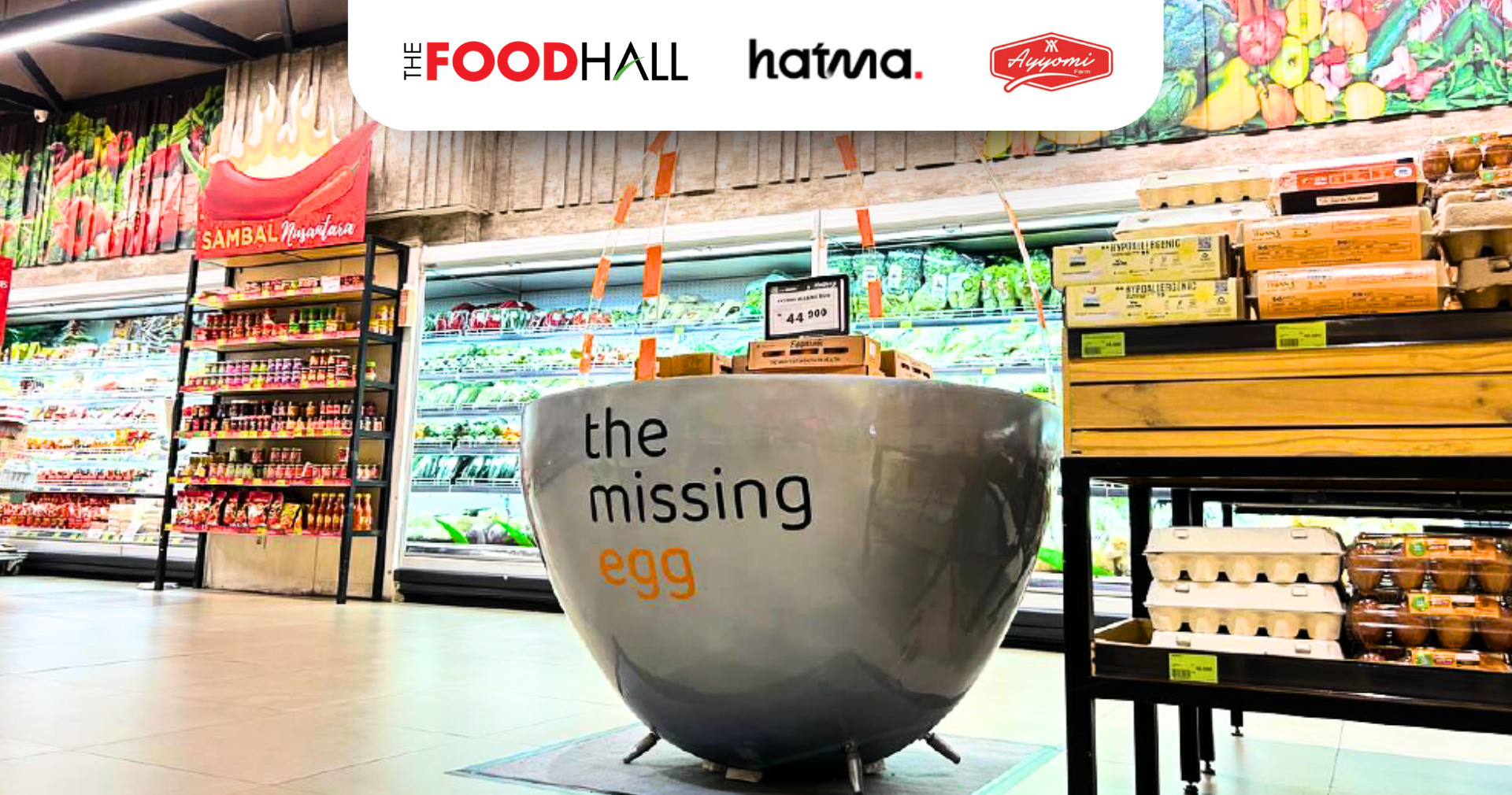
In response to this challenge, EduFarmers developed “The Missing Egg by ZeroStunting,” a fundraising movement that encourages people to contribute to stunting prevention through a simple yet meaningful approach. The program collaborates with various egg brands through special edition product packaging, where one “missing egg” symbolizes a donation and social contribution. The initiative is designed to raise awareness among urban communities and younger generations that stunting is a serious issue requiring collective action. Through this product-based charity model, consumers can directly participate in social impact efforts simply through everyday purchases, creating a giving experience that is more accessible, engaging, and different from conventional donation campaigns.
Result
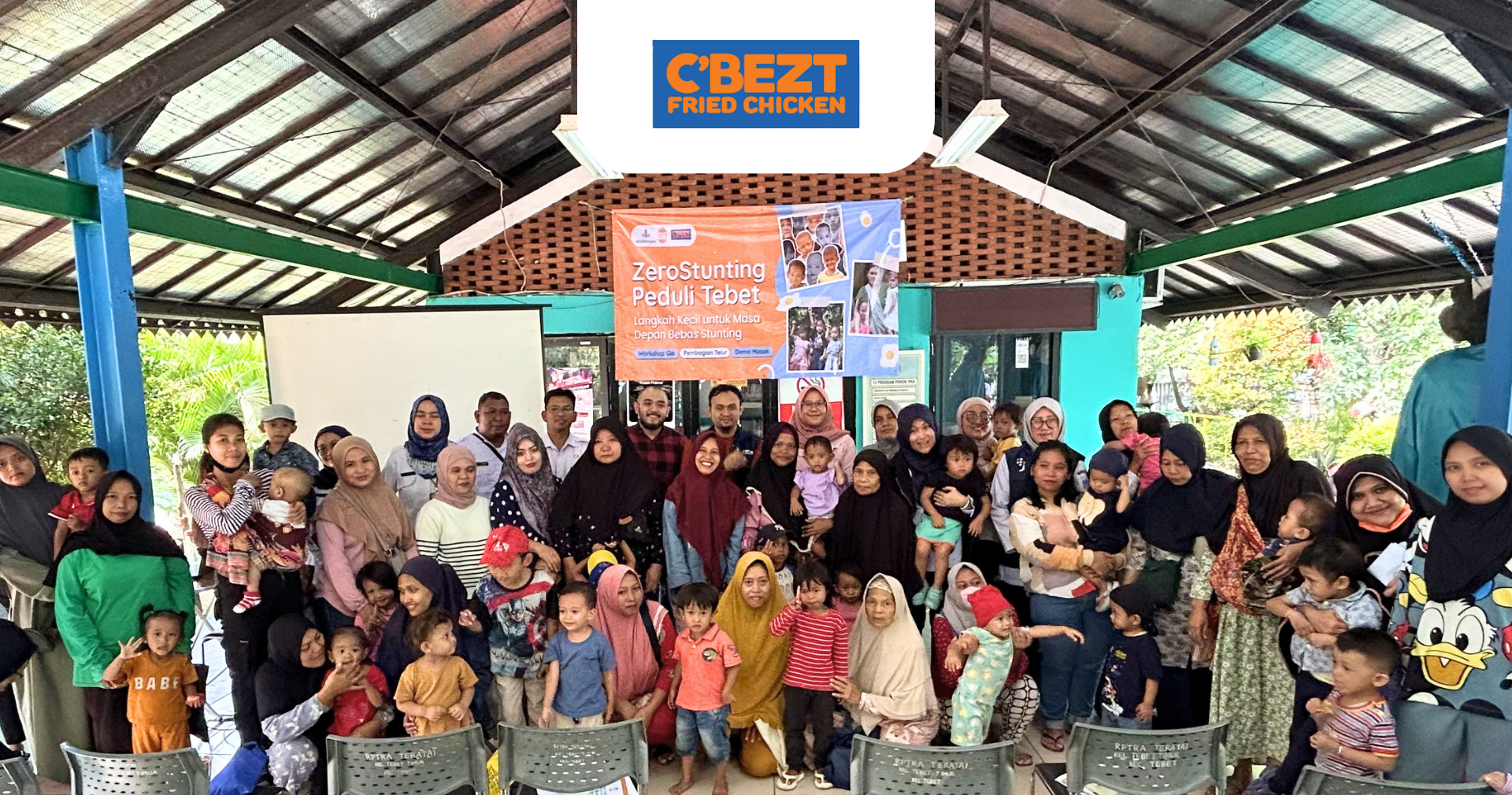
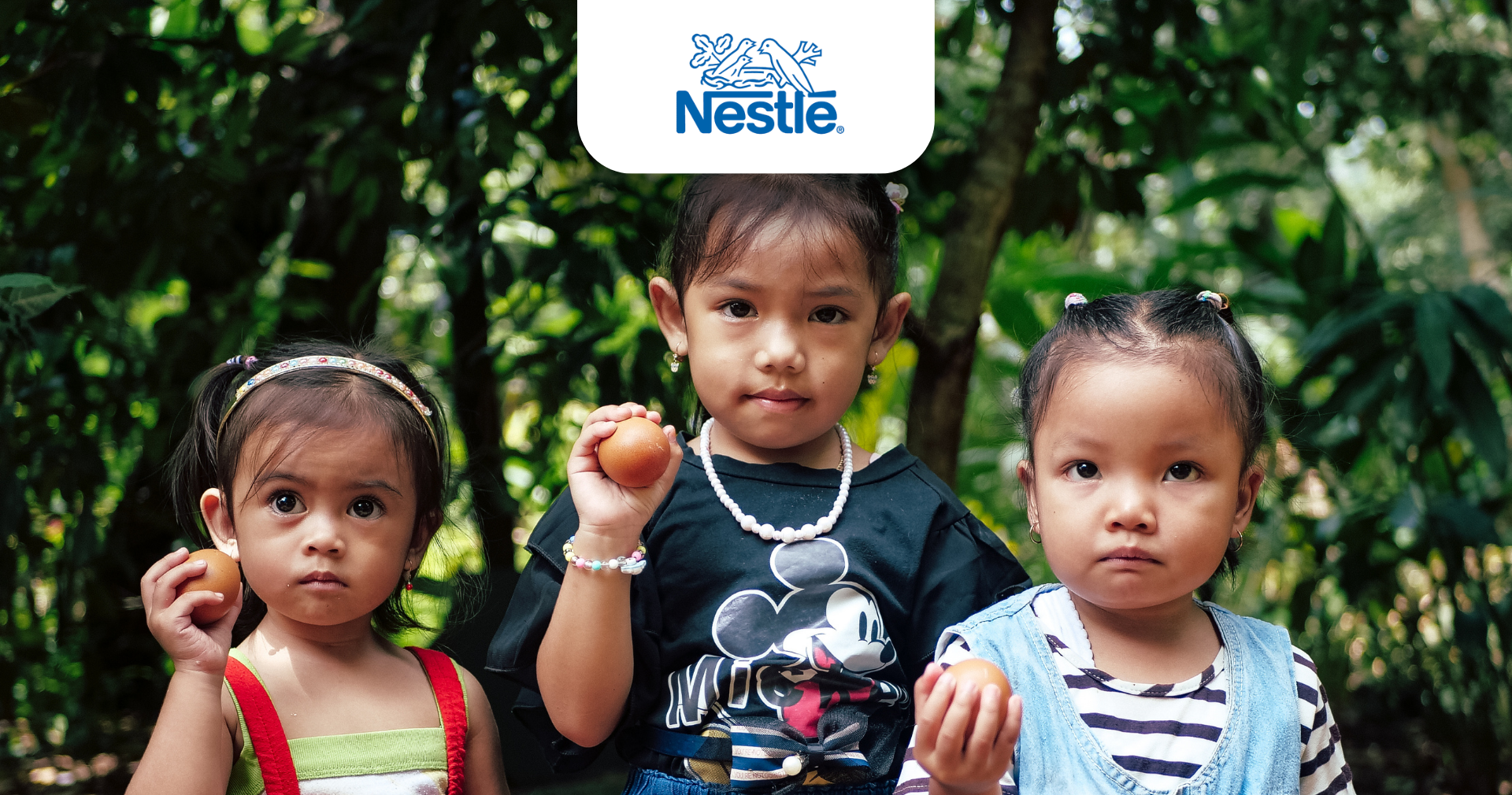
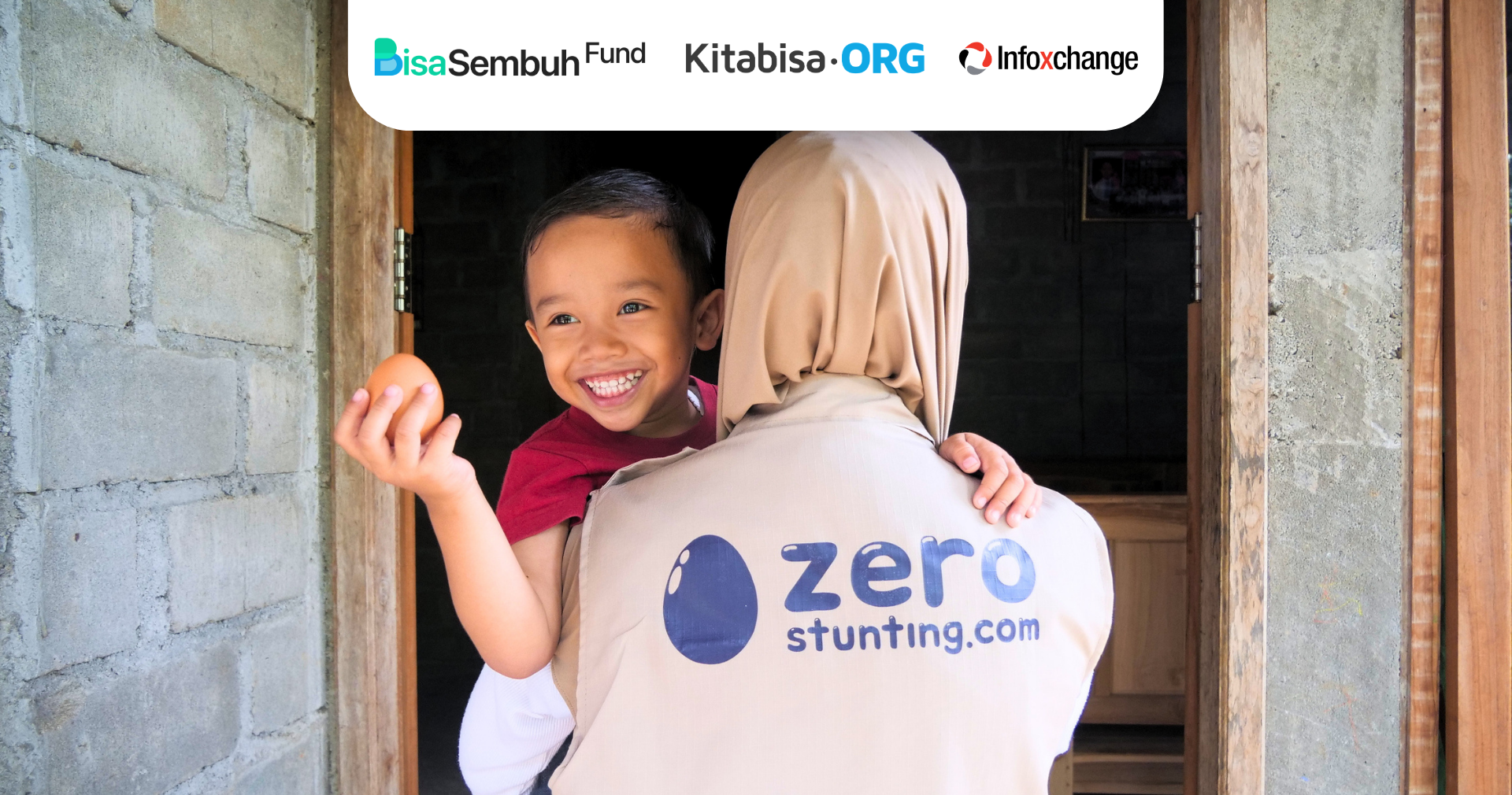
Through every purchase of “The Missing Egg” package, donations are distributed through a targeted intervention program called “One Day One Egg,” where children identified as stunted or at risk of stunting receive one egg every day for at least six months. The program not only focuses on improving children’s access to animal protein intake, but also strengthens community-based interventions by involving Posyandu health volunteers as key partners in implementation and distribution. In addition, parents of beneficiary families receive practical nutrition education to better understand children’s dietary needs. This ensures that the program delivers not only short-term assistance, but also encourages long-term behavioral change and stronger nutritional awareness at the household level.