Bridging Nutrition with Technology to Monitor Child Growth
135
caregivers joined the program
128
caregivers engaged with SAKTI, our WhatsApp based AI chatbot
60
educational articles
The Highlight of this project
Background
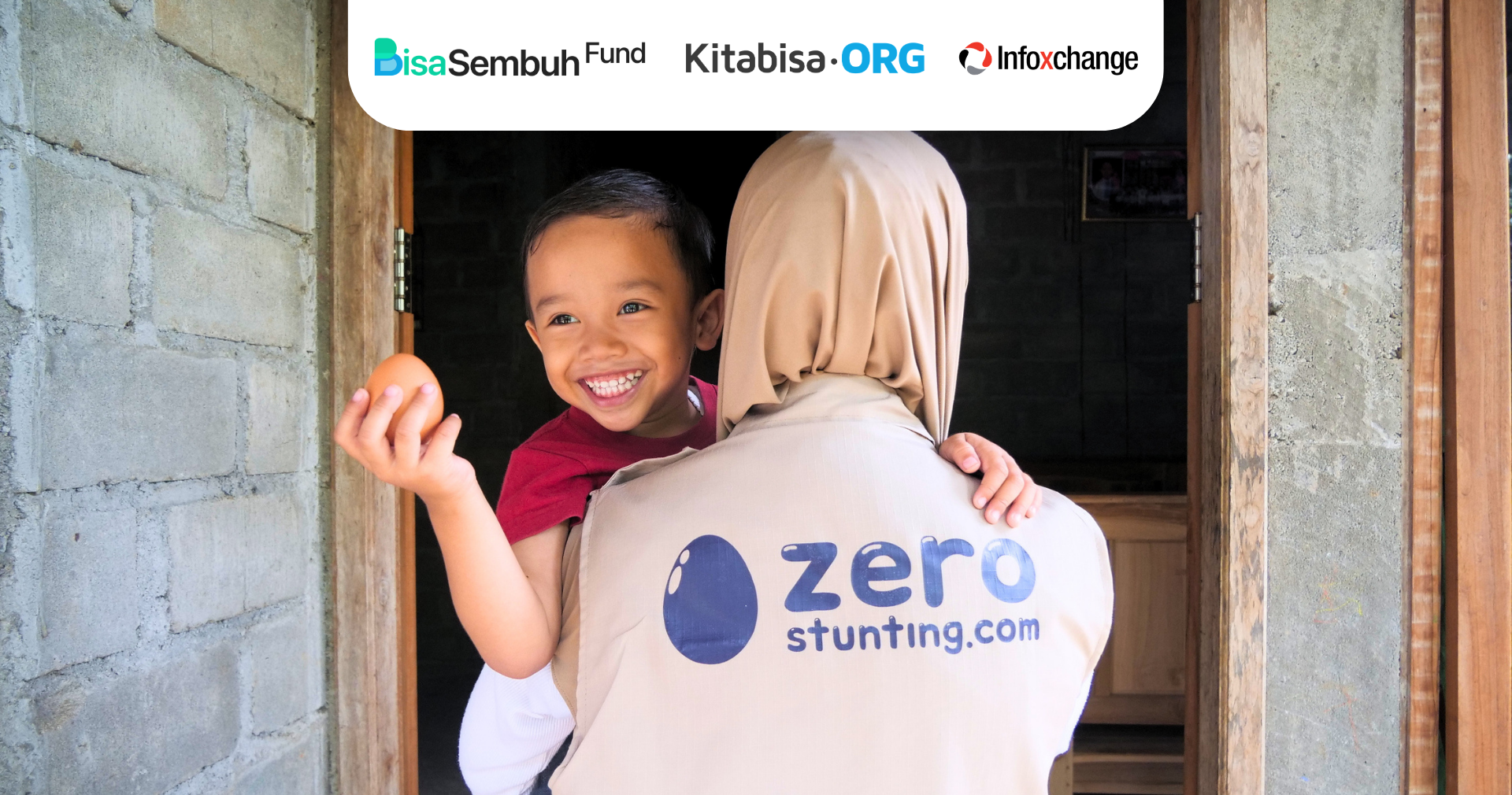
Stunting remains one of Indonesia’s most pressing challenges, affecting 19.8% of children in 2024 (National Nutrition Status Survey, 2024). The issue is driven by interconnected factors, ranging from inadequate nutritional intake and limited access to healthcare services to broader social and economic inequalities. To address this challenge, the Indonesian Government has introduced various nutrition improvement programs, including the Supplementary Feeding Program (PMT) and the Free Nutritious Meal Program, aimed at improving children’s nutritional intake and reducing stunting rates across the country. Through the ZeroStunting initiative, EduFarmers further strengthens these efforts with support from Kitabisa.org through the Bisa Sembuh Fund and Infoxchange through the APAC Digital Transformation 2.0 Grant. By integrating technology into our flagship program, One Day One Egg, we help children under five gain access to affordable, high-quality protein while also providing continuous education and behavioral support for parents to encourage better caregiving practices. This approach also creates opportunities to leverage digital solutions in improving program monitoring, reporting, and overall effectiveness, enabling stunting prevention efforts to create broader and more sustainable impact.
Solution
Edufarmers project in Kalipare, Malang is a combination of two intervention approaches, aimed at reducing stunting prevalence among children under 5 years old: 1. Direct Nutrition Intervention – which takes the form of One Day One Egg (1D1E) program, 1complemented with educational workshops for parents and community health cadres. 2. Integration of technological solutions – which is implemented to streamline manual processes in delivering direct nutrition intervention (e.g. data entry, consumption reports, health reports); as well as improving accessibility of resources and information regarding stunting prevention, improved childcare practices, and nutrition. Together, these complementary approaches drive meaningful intermediate outcomes. They expand children’s access to high-quality protein, improve caregiver access to information and resources on nutrition and stunting prevention, and introduce more efficient tools for reporting and monitoring. As a result, we are seeing stronger dietary fulfilment among children and greater adoption of positive childcare and nutrition practices among caregivers.
Result
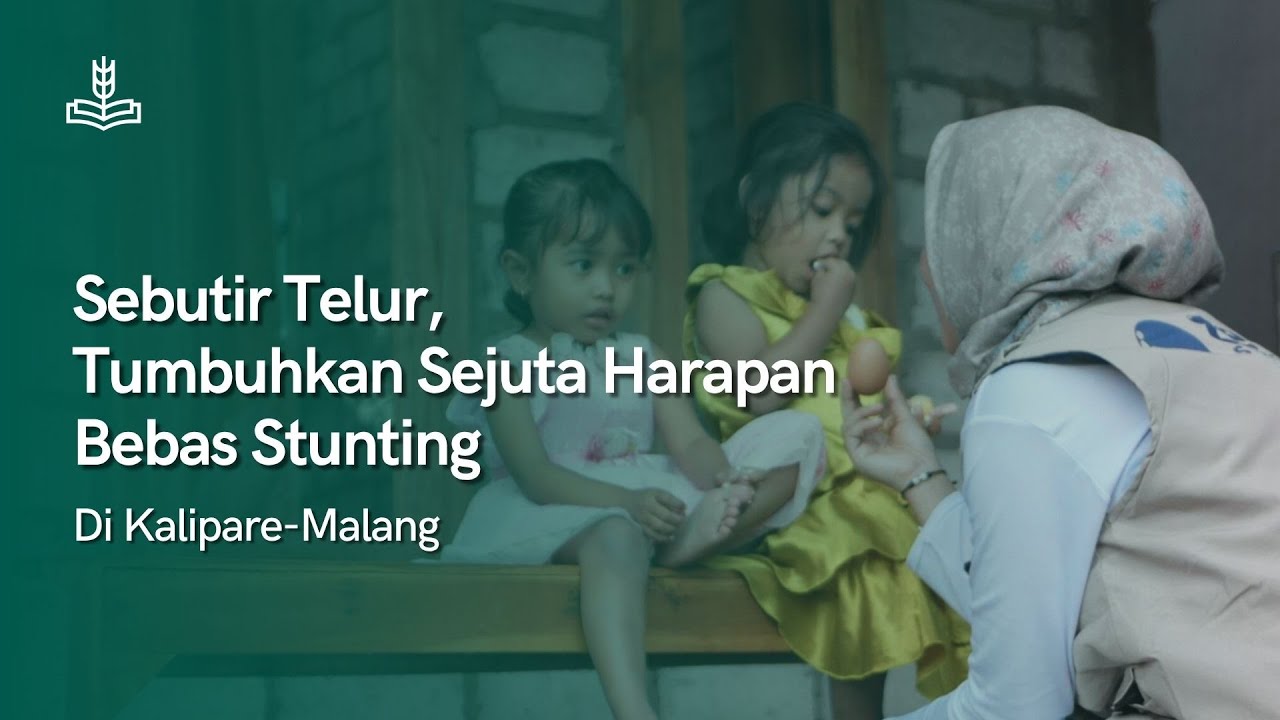
Through the One Day One Egg (1D1E) program, Edufarmers combines direct nutrition intervention with digital technology integration to strengthen stunting prevention efforts in Kalipare. Over six months, the program distributed 28,350 eggs to 135 children across six villages, providing consistent access to high-quality protein during the critical first 1,000 days of life. Beyond nutrition support, parents and community health cadres also received educational workshops on child feeding practices, hygiene, and healthy childcare behaviors. To improve program effectiveness, Edufarmers introduced a more structured monitoring and documentation system, where facilitators track egg distribution and child growth while parents submit daily consumption reports. This approach highlights how technology can reduce administrative burdens, improve reporting accuracy, and enable facilitators to focus more on meaningful community engagement and behavior change support.