Impact Report
Edufarmers Annual Impact Report
Impact
Edufarmers exists to strengthen food systems by improving farmer livelihoods and accelerating the reduction of stunting. To maximize impact, we test before we scale — every practice we put in front of a farmer or a caregiver has already been through our research centers or a formal pilot, or both. We report what changed for the people we train (yield, income, stunting prevalence, financial behaviour), and aim to build a credible comparison group wherever we can. Below are our four core impact areas, made available in our annual reports:

How we measure impact
We don't take a single approach to measuring impact — we match the method to the question, and we're upfront about what each one can and can't prove.
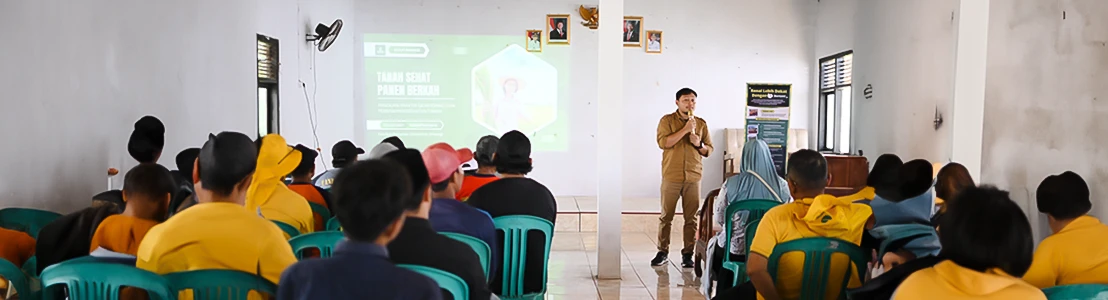
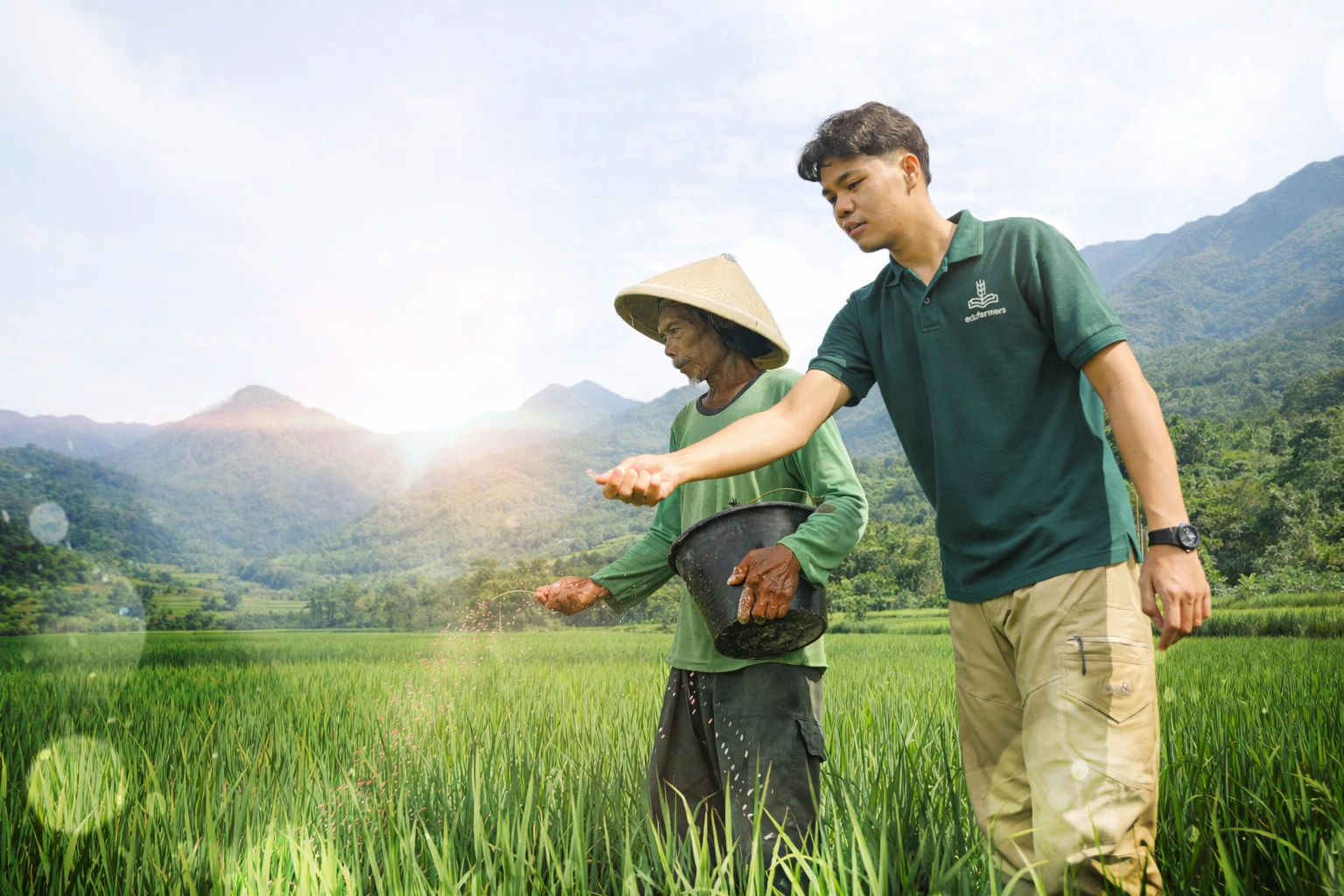
For farmer outcomes (Bertani), we compare against similar villages. To measure whether Bertani actually improves yield, income, and profit, we use a difference-in-differences design. We identify comparison villages within 10 kilometres of each Bertani village — close enough to share the same weather, markets, and seasonal shocks, but not part of the programme. We survey farmers in both groups, then apply statistical controls for crop type, district, land size, and pest and disease pressure, so the result isn't distorted by one group simply farming different crops or larger plots. The figures we publish are regression-adjusted estimates, not raw averages. For specific pilots trialled under the Bertani ecosystem such as the promotion of no-burning practices, we compare outcomes of those who adopt vs. not adopt certain practices.
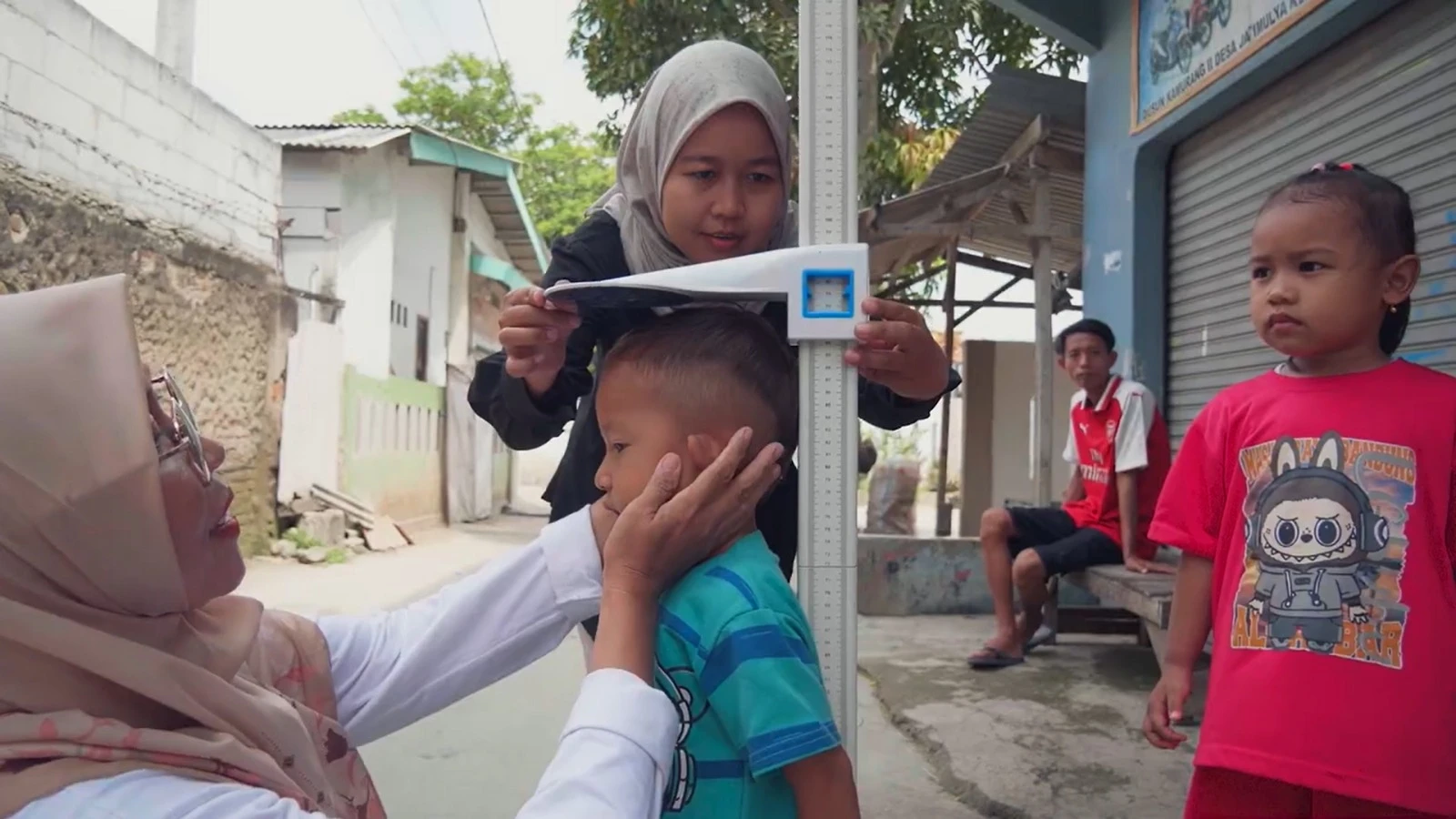
For child nutrition (ZeroStunting), we track the same children over time. We measure stunting (height-for-age) and underweight (weight-for-age) using Indonesia's Ministry of Health child growth standards, with anthropometric measurements taken by trained enumerators using calibrated equipment at baseline (enrollment) and endline (six months later). This is a pre-post design without a control group, which means we report it as an observed change in enrolled children, not a causal claim — other factors, including normal growth patterns, may also contribute.
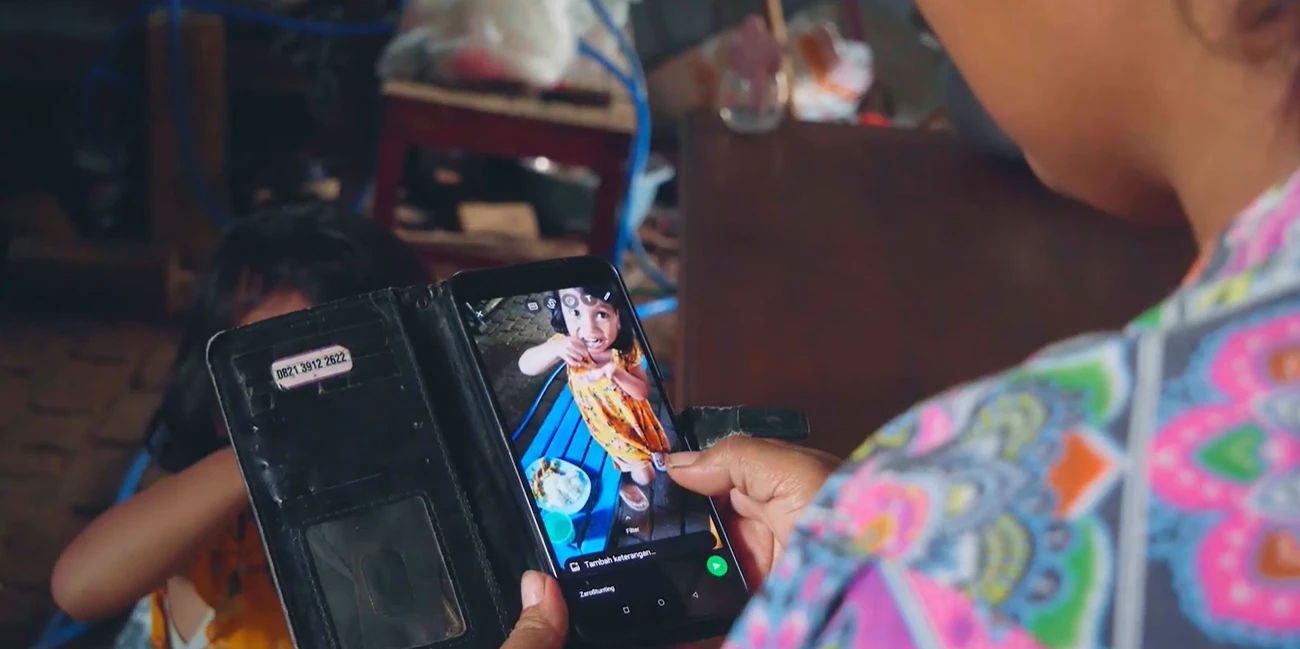
For AI powered chatbots that are embedded in our flagship programs, our AI tools generate the data themselves. Our SAKTI WhatsApp chatbot collects daily photo evidence of egg consumption from caregivers and logs Posyandu attendance recorded by health cadres, feeding a live programme dashboard. Wheras in the case of our agronomic AI use, we utilize chat histories and match uses against our survey data.

For social value, we bring in an outside evaluator to inform our design and method of evaluation. Every ratio we report has already been discounted for deadweight (what would have happened anyway), attribution (credit due to other actors), displacement (offsetting negative effects), and drop-off (benefits fading over time), so the multiples we publish are conservative by design, not best-case.
Impact Report
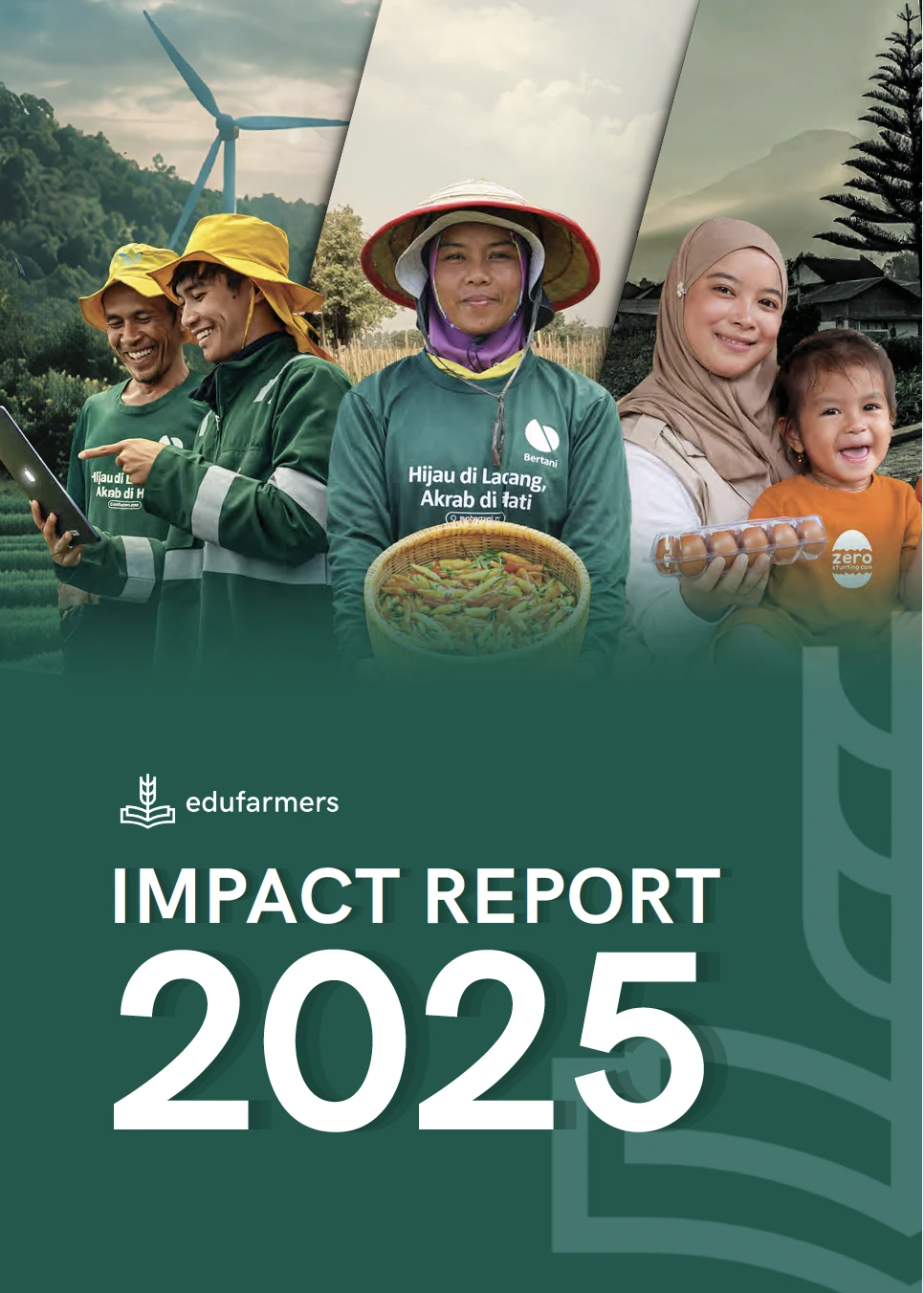
In 2025, Edufarmers reached more farmers, more children, and more communities than in any previous year — while strengthening the evidence behind every claim we make. Through the Bertani ecosystem, we reached 6,749 farmers across 43 villages, and through One Day One Egg and ZeroStunting, we supported 1,542 children at risk of or experiencing stunting. Independent assessments confirmed that both flagship programmes generate strong social returns: every USD 1 invested in Bertani produced USD 6.86 in social value, and every USD 1 invested in stunting reduction produced USD 3.02.
6.471
farmer reached through Bertani Ecosystem
6,86x
social value for every dollar invested in Bertani
15-20%
average increase in profit for every farmer in Bertani village
1.542
children reached through ZeroStunting
3,02x
social value for every dollar invested in Bertani
11%
average reduction in stunting prevalance