PERMATA Program: Community-Based Financial Literacy for Women in Farming Households
576
Ibu Permata Demonstrate Increased Financial Knowledge
89%
Adopted Financial Management Practices
87%
Ibu Permata Maintain Regular Household Financial Records
The Highlight of this project
Background
In many rural communities across West Java, managing household finances remains a daily challenge. The province records a poverty rate of 7.08% as of September 2024, representing more than 3.6 million people living below the poverty line (National Statistics Agency, 2025). In areas like Garut and Subang, most families rely on seasonal agricultural work, daily labor, or informal jobs such as factory helpers, traders, and transport workers. These types of work provide irregular income, often fluctuating with weather, harvest seasons, and local market demand. In Garut Regency alone, with a population of over 2.7 million people (National Statistics Agency, 2024), cooperative data shows that household savings are often small and unpredictable—sometimes as low as IDR 25,000 per month, reflecting how fragile rural financial habits can be. At the same time, limited financial literacy deepens the uncertainty and the cycle of vulnerability experienced by farming families. The national financial literacy rate stands at 49% (Financial Service Authority, 2022). Many families can access financial services but lack the understanding to use them effectively. As a result, households—especially those with unstable earnings—often struggle to budget, record expenses, or build savings, leading to patterns of overspending or reliance on informal loans.
Solution
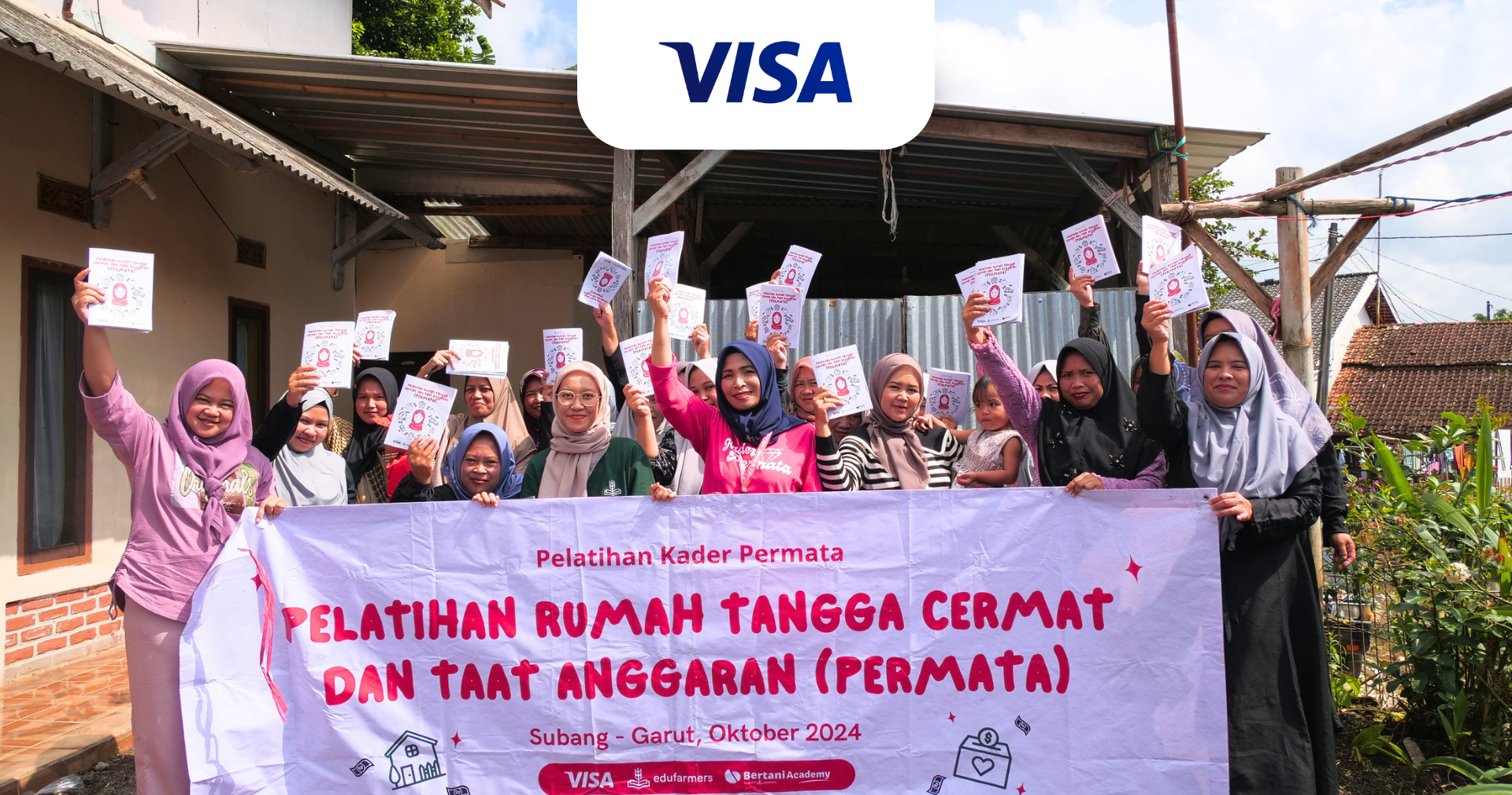
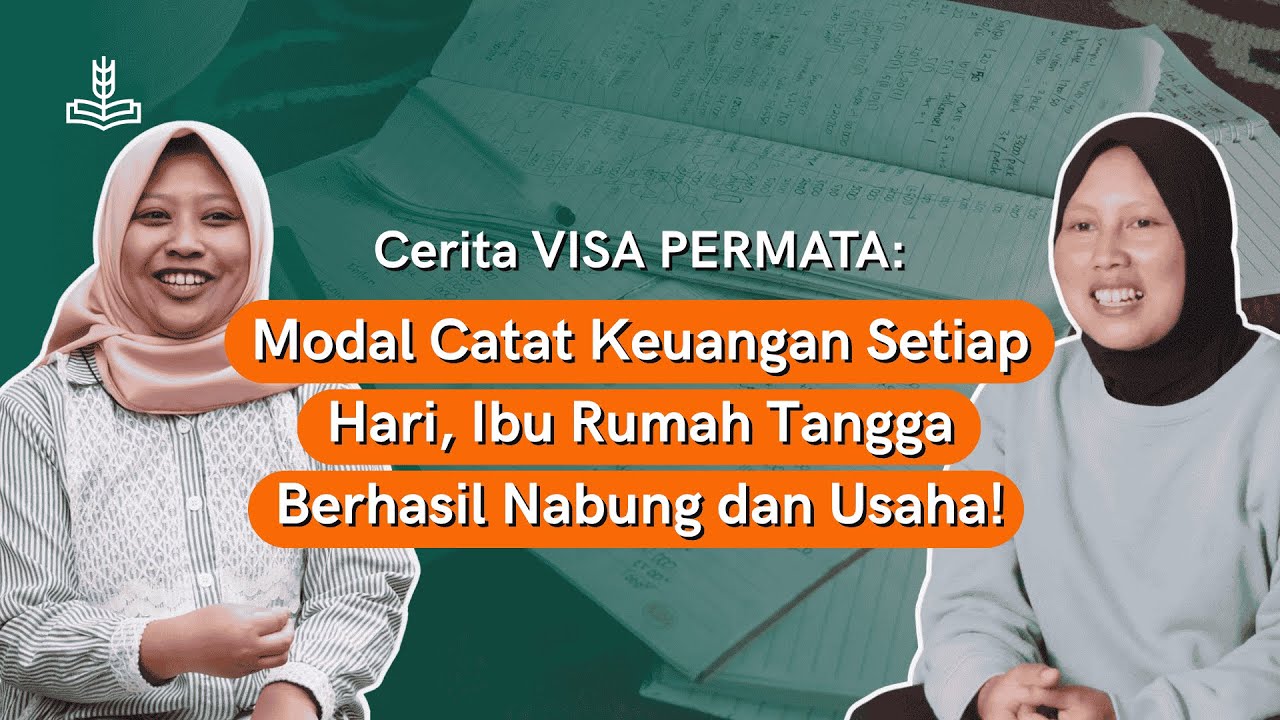
The Permata Project, supported by the VISA Foundation and implemented by the Edufarmers, was designed to address these challenges. The program focuses on strengthening financial literacy and digital financial inclusion among women from farming and rural labor households, recognizing their pivotal role in managing family finances and influencing spending decisions. By equipping women with the knowledge and tools to plan, save, and make informed choices, the project helps them take control of their household finances—even when income is uncertain. Implemented in Subang and Garut, the program combines interactive learning sessions, peer-led discussions, and the empowerment of Kader Permata—local women trained as facilitators who guide and inspire others in their communities. The sessions focus on practical skills, such as daily expense recording, budgeting, saving, and digital transactions, taught through relatable stories and exercises that mirror participants' real-life experiences.
Result
The program reached a predominantly young and economically active group of women (we refer to program beneficiaries as Ibu Permata in this report) who are part of a farming household. While bank account ownership was relatively high (73%), largely through state-owned banks. The training led to clear behavioral gains: average financial knowledge increased by 9%, 89% of participants adopted financial management practices, and 87% began consistently recording expenses, demonstrating strong uptake of core budgeting and planning behaviors when practical tools were introduced. However, persistent gaps remain in formal saving and digital financial adoption. Despite owning bank accounts, only 36% of women saved through formal institutions, reflecting continued reliance on cash driven by small, irregular incomes and the inconvenience of banking access. Digital usage was even more limited—only 25% had ever conducted a digital transaction, underscoring structural and confidence barriers around mobile banking and e-payments. At the same time, the training helped shift financial priorities: the share of women regularly setting aside funds for income-generating activities increased from 17% to 27.6%, signaling a move from short-term survival toward forward-looking financial behavior.