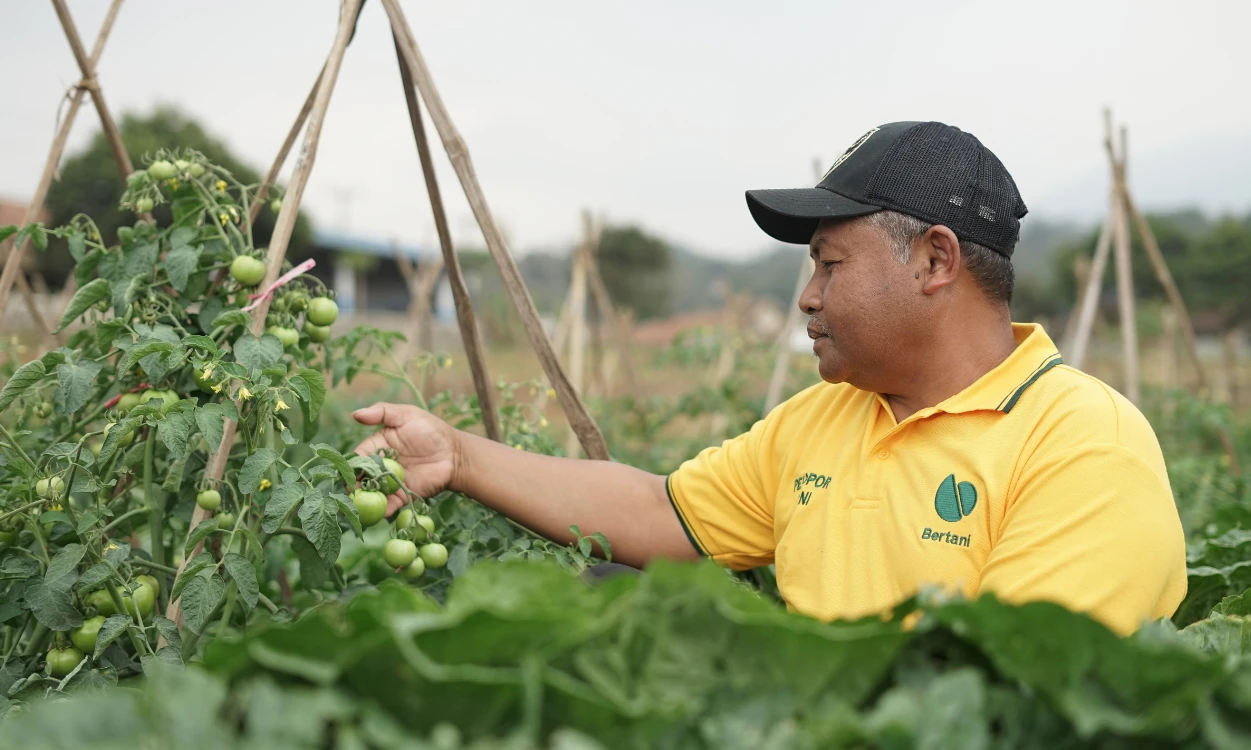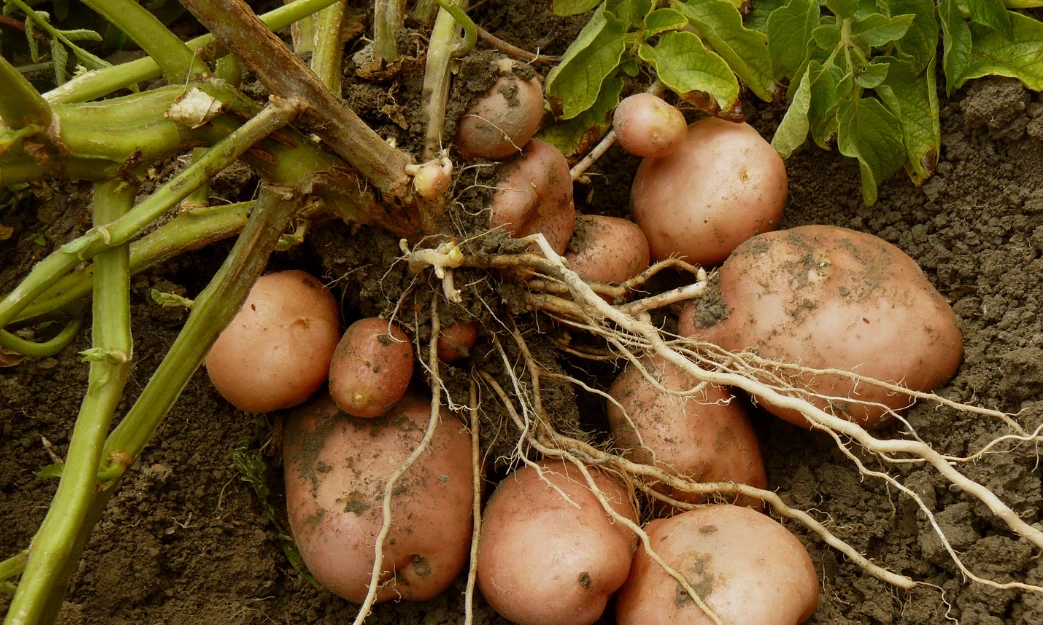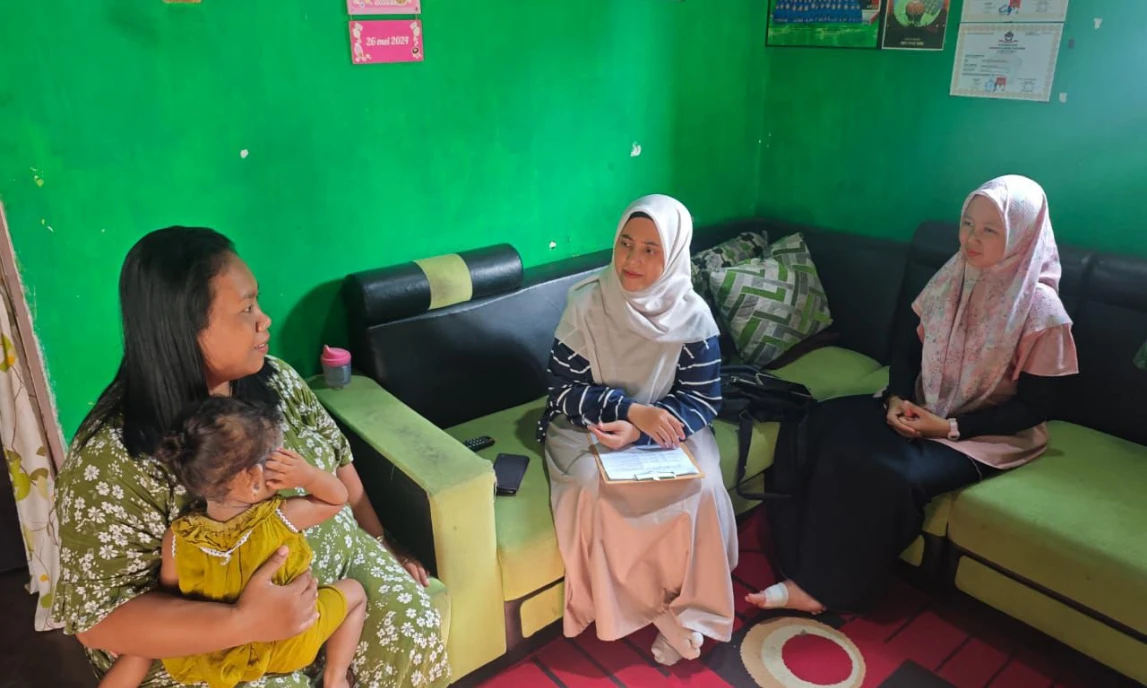
For every dollar we invested in our Bertani ecosystem in 2025, we generated USD 6.86 in social value. For our ZeroStunting child nutrition program, the figure was USD 3.02. Those two numbers look like a verdict on which program creates more social value. That verdict is what we want to take apart.
Every program cycle, we run impact assessments that track the basics: how many people we reach, whether farmers earned more, how many cases of stunting we helped prevent. In 2025 we added a Social Return on Investment (SROI) study, to move past whether our programs work and ask what the value we create is worth against what we spend.
Is One Better Than the Other?
Those two figures came out of an independent assessment by NICE Indonesia, who met with farmers in their fields, health cadres on their rounds, and our own field staff to better capture the changes experienced by our beneficiaries and other stakeholders. What they heard in the field was matched against our own survey data to build benchmarks, so we could put a monetary value on things that don't come with a price tag, such as the cost of a doctor's visit avoided when a child would otherwise have become underweight.
So does that mean our agriculture program is simply better? It's a fair question — but answering it honestly means looking at what each program is trying to do.
Bertani is mainly a knowledge and practice problem. Farmers are already farming, and Edufarmers' intervention is about improving what they already do (better access to information through our Agronomic AI chatbot, adoption of better techniques and inputs). Measuring the monetary value of the benefit is in some ways easier as we can directly count yield and profit increases over one season.
Meanwhile, the ZeroStunting program is trying to prevent lasting harm to children’s growth progress during their first 1,000 days of life. The program funds daily egg provision through the One Day One Egg program,workshops for parents and health cadres, operational support for Community Health Workers, development of SAKTI AI--chatbot to monitor food consumption and provide daily nudges. (For our latest iteration of the stunting program, see here). The impact is less quick and direct; we can prevent children from getting sick and needing treatment in the short term, but many benefits of preventing stunting are seen in longer terms such as better schooling outcomes later in life.
One more thing before we go further: SROI is usually done once a program has wrapped up. As curious nerds, we're doing ours while the story is still being written.
Why the Numbers Might Move
In 2026, we started to do large-scale rollout of our AI tools across both programs, alongside scaling up our in-person activities in the field. If it goes as planned, cost per beneficiary should come down simply because we'll be reaching more people without the heavy initial investment cost that was done to build the infrastructure in the first year.
In the case of the Bertani program, we're also in the process of collecting multi-season farming data, which should make our initial impact figures and the ratio built on them more accurate than what a single season can tell us.
None of this means the current numbers are wrong. It means they're early, and we wanted to be upfront about that rather than let the ratios be the final picture of our two programs.
Why We Did It Now Instead of Waiting
So why do it after only one year? Two reasons.
First, SROI is a valuable monitoring tool in its own right - as it complements our regular impact assessments to check whether we're delivering the results we intended. Doing it mid-program means we get that check while we can still act on it, rather than as a final grade.
Second, it's a way to check attribution – for us to be objective about how much of the change in our beneficiaries' lives we can honestly claim as ours. That means looking closely at how our program's specific activities are actually fitting into systems that already exist and being clear-eyed about where the real gaps are that only we can fill.
For Bertani, that gap is quick, reliable agronomic advice — from Pak Dayat, our AI chatbot, and from our field officers — which farmers often can't get fast enough elsewhere. For ZeroStunting, we’re building new habits and shifting behavior inside the home, supplementing existing government programs by nudging better eating habits and health-seeking behaviors.
Measuring halfway is uncomfortable — it means publishing numbers you know will change. But we would rather share a figure we can still improve than a verdict we can only report. If you are running programs and weighing whether to wait for the final evaluation, we would encourage you not to.
We'd also love to hear how other organizations are thinking about impact measurement, and what it means to be honest about the numbers we share.
Methodology Note:
The assessment was commissioned by Edufarmers and carried out independently by NICE Indonesia, using the internationally recognized SROI framework and combining field observation, stakeholder consultation, and financial valuation. It covers our program expenditure in 2025 and the benefits experienced by beneficiaries reached in that same year — the first year of what is designed as a three-year cycle.
For each program, NICE Indonesia listed the main changes each group of people experienced, put a monetary value on each one, and added them up. The ratio is that total divided by what we spent. On Bertani that came to 6.86 — the equivalent of recovering the full investment within about three months. On ZeroStunting it came to 3.02, with payback at around six months. Both investment figures cover staff, program delivery, and building our AI tools. Calculations used 1 USD = IDR 17,655.
Four standard correction factors were applied so that we would not overstate our own contribution: deadweight, for outcomes that would have happened anyway; attribution, for the share owed to other organizations and factors; displacement, for unintended negative effects elsewhere; and drop-off, for benefits that fade over time.
These are estimates, not accounting figures. The Bertani income gain rests on one growing season in three districts, compared against nearby villages— and farm costs came from what farmers remembered spending rather than full accounts. Both are reasons the numbers will move.