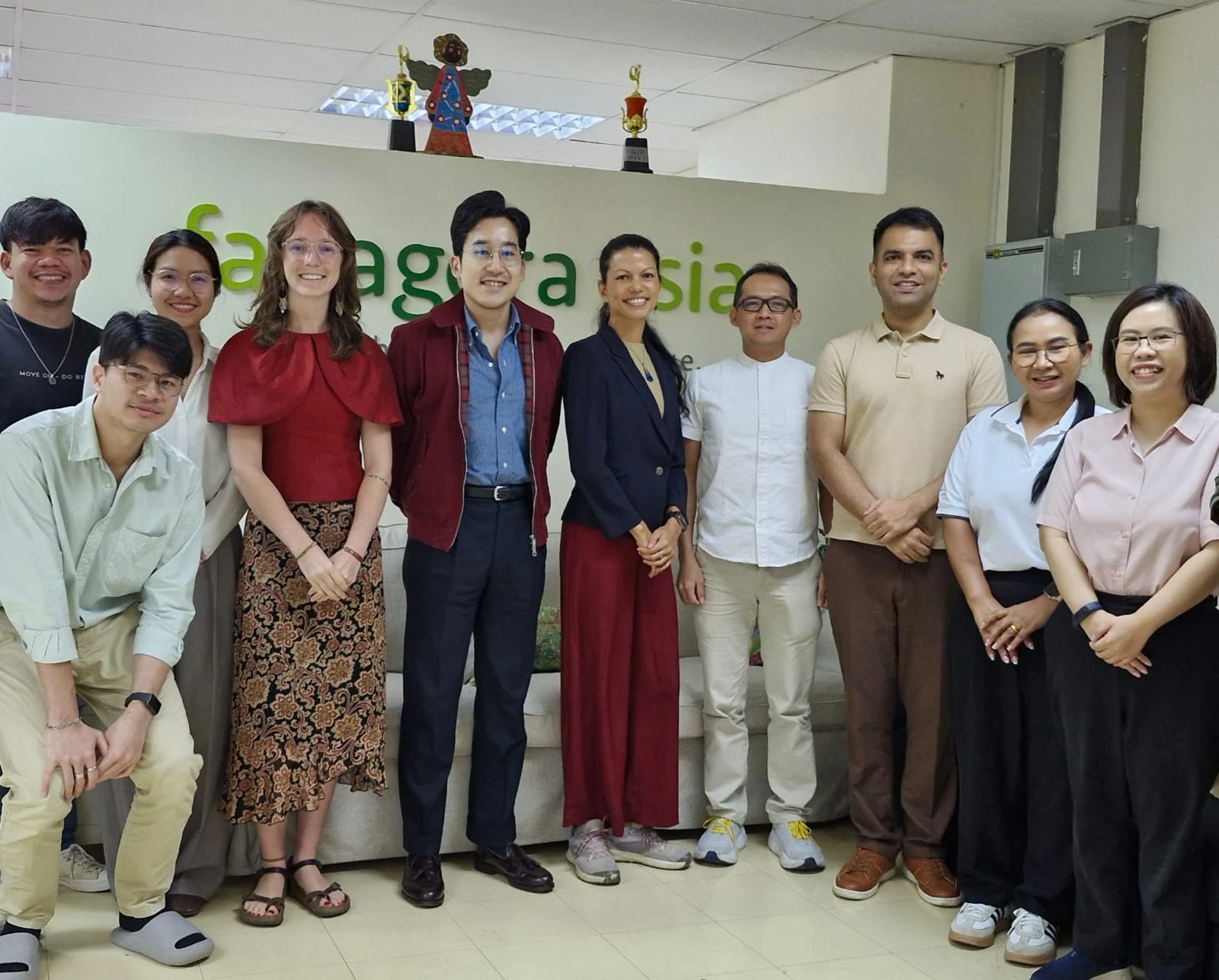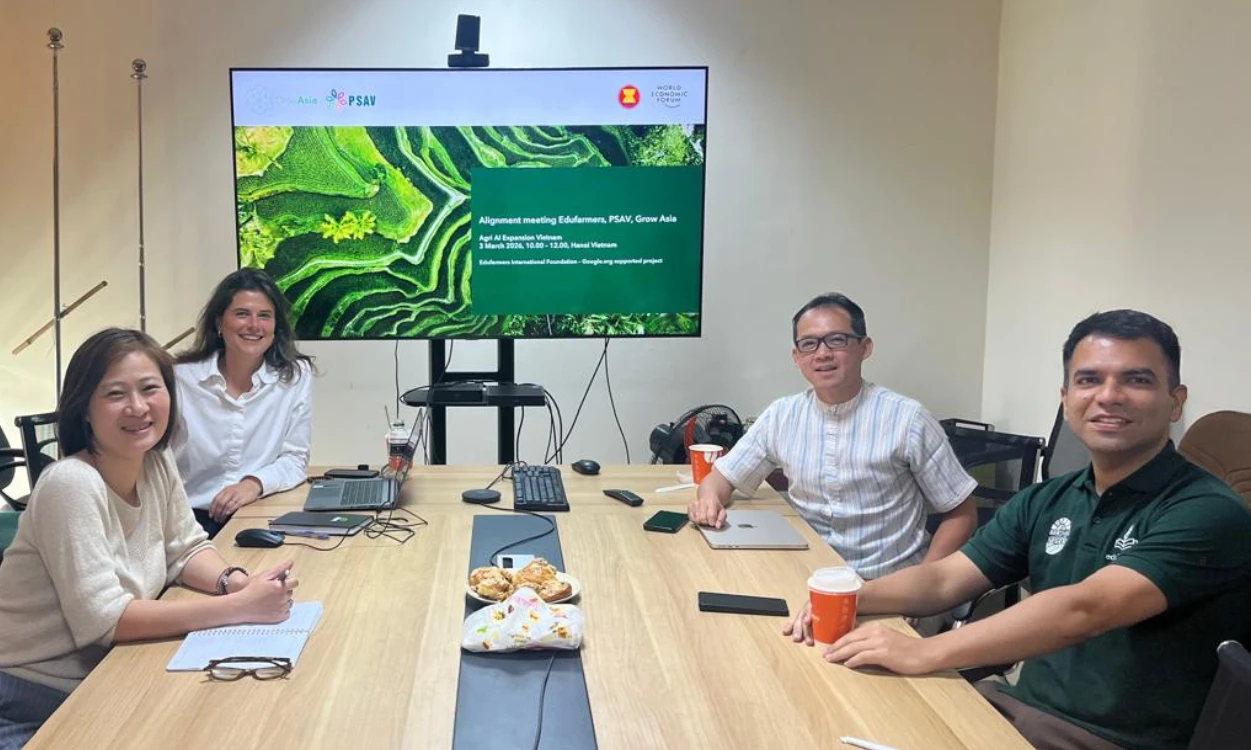
Following the successful expansion of our Agri AI Solution to farmers in Thailand and building upon the foundation of "Pak Dayat," our AI agronomic assistant in Indonesia, Edufarmers is thrilled to announce our next major milestone: Viet Nam.
Supported by Google.org and in partnership with Grow Asia, we are expanding our Agri AI Solution to empower Vietnamese rice and coffee farmers. By combining AI-powered guidance with hands-on training, we aim to provide smallholder farmers with the reliable, locally relevant information they need to build confidence and thrive in their fields.
A Milestone in Government Partnership
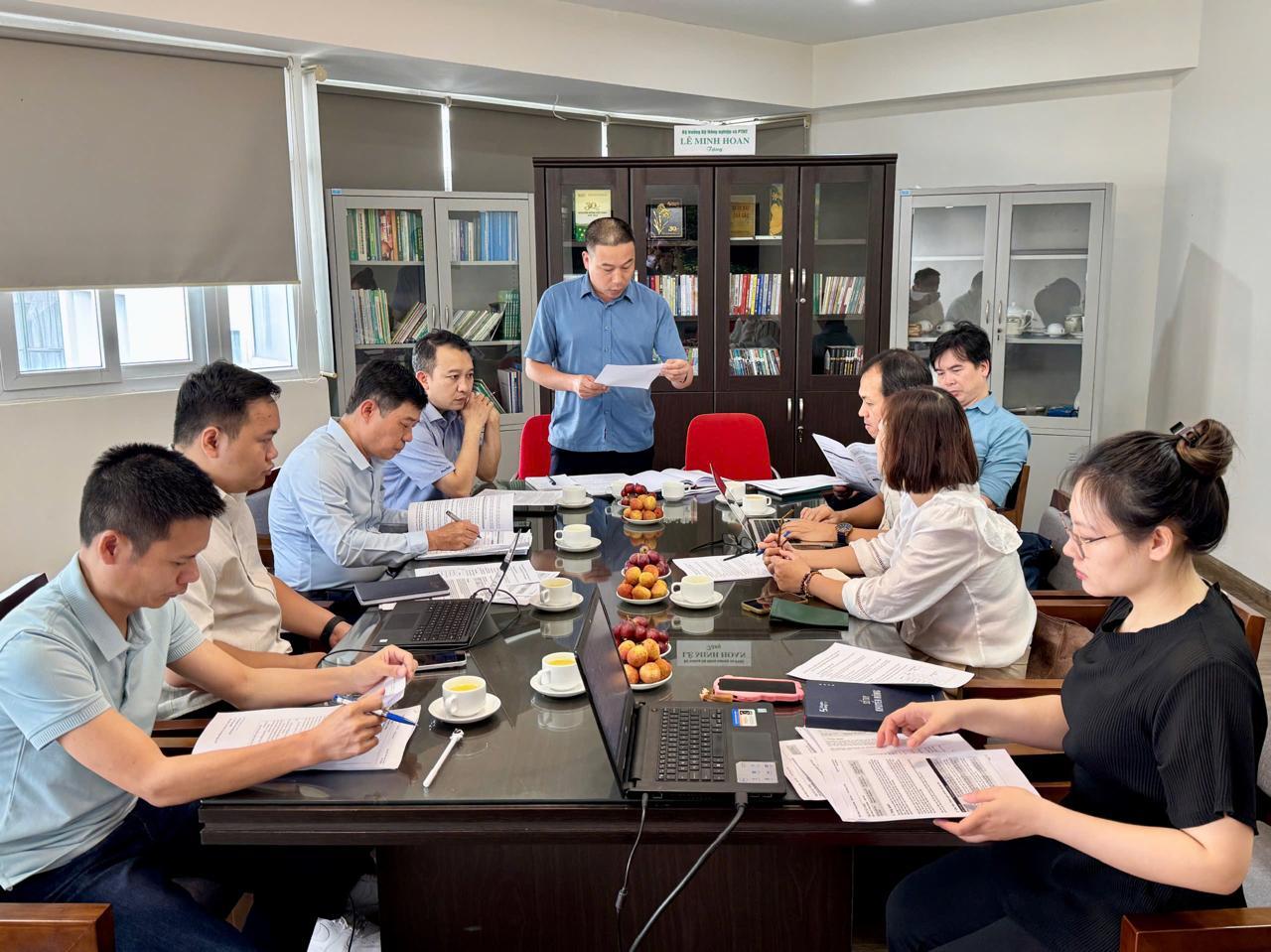
In early October 2026, Viet Nam’s Ministry of Agriculture and Environment officially approved the project, formally titled Agri-AI Assistant - Viet Nam.
This approval, fulfilling the requirements of Decree 313/2025/ND-CP for foreign non-refundable aid, marks a pivotal step. It shapes the core delivery of our project: a deep integration with the government’s existing extension system. Edufarmers will collaborate closely with Grow Asia and the National Agricultural Extension Centre (NAEC) to train farmers on both good agricultural practices and digital literacy. Additionally, through Grow Asia, the Partnership for Sustainable Agriculture in Viet Nam (PSAV) will help engage private-sector companies to introduce the AI assistant to farmers across their value chains.
Official Project Launch in Viet Nam
The project will officially launch on 24 November 2026, as a side event of the International Rice Event in Cần Thơ Province. During the launch, Edufarmers will deliver a presentation titled “AI, Regenerative Agriculture, and Climate Resilience,” highlighting the role of artificial intelligence and regenerative agricultural practices in strengthening farmers' resilience to climate challenges.
The launch marks an important milestone in bringing the Agri AI Solution to Viet Nam and establishing collaboration with local agricultural stakeholders as the project moves toward implementation.
Why Rice and Coffee?
Rice and coffee are not just everyday crops; they are the foundational pillars of Viet Nam’s agricultural economy. As a leading global exporter of both, millions of rural livelihoods and broader global food security depend on their success. This immense economic and social importance is precisely why these two sectors demand urgent, prioritized intervention in the face of an accelerating climate crisis.
According to Viet Nam’s climate scenarios, a one-meter rise in sea level could put 47% of the Mekong Delta—a region that produces around half the country’s rice—at risk of flooding. In Cần Thơ, one of our pilot sites, studies project rice yields could drop by 5.5–8.5%. Similarly, in the Central Highlands, home to Đắk Lắk province, research suggests the land suitable for Robusta coffee could shrink drastically in the coming decades. Because the nation's agricultural backbone is on the frontline of this environmental crisis, equipping these specific farmers with resilient, adaptive knowledge is no longer optional; it is essential.
From AI Guidance to Practical Action in the Field
Technology alone cannot transform farming. For AI to be truly useful, it must be trusted, highly localized, and incredibly practical. That is why our program bridges the gap between digital innovation and in-person community learning across four key areas:
Localizing the Knowledge: We are building two specialized, expert-reviewed agronomic knowledge bases for rice and coffee. Drawn from verified production guidelines and pest management protocols, these databases will be reviewed by specialist agencies before the AI utilizes them.
Piloting with Farmers: Before a wider rollout, the assistant will be piloted with rice farmers in Cần Thơ and coffee farmers in Đắk Lắk. Their direct feedback will ensure the tool is clear, relevant, and easy to use.
Building Knowledge and Confidence: An answer on a screen only helps if a farmer trusts it. We will train 50–60 master trainers for each commodity—rice and coffee—within the local extension system, who will then train their communities. Farmers will learn how to interpret AI guidance, apply it, and know when to call in a human extension officer.
Reaching Farmers Where They Are: We aren’t asking farmers to download a new app. The Agri-AI Assistant is planned to run on Zalo, a messaging platform already widely used in Viet Nam. Farmers can type questions, send voice notes, or upload photos of diseased plants to get instant, sourced recommendations and weather updates. If the AI is unsure, it will seamlessly refer the question to a human extension officer.
Building Lasting Impact: What We Will Deliver
By the end of this project, we aim to deliver lasting, structural impact to Viet Nam's agricultural sector, including:
A free AI assistant in Vietnamese on Zalo, piloted with rice farmers in Cần Thơ and coffee farmers in Đắk Lắk.
Expert-reviewed agronomic knowledge bases, covering rice and coffee production.
50–60 trained trainers for each commodity, equipping local trainers to support farmers in their communities.
100,000 rice and coffee farmers using Agri AI, expanding access to reliable agricultural guidance.
At least 20 communication products and two project-level events to raise awareness and encourage farmer engagement.
A handover package to support the continued operation of the AI assistant beyond the project period.
By combining AI-powered guidance with local expertise, hands-on training, and the vast reach of Viet Nam’s national extension network, we are working to make agricultural knowledge universally accessible.
Building on Edufarmers’ experience developing Pak Dayat in Indonesia and implementing the Agri AI Solution in Thailand, this project presents an opportunity to adapt agricultural technology solutions to local needs and contexts, with government collaboration as an important part of the project’s planning.
We look forward to sharing more updates when the project formally kicks off later this year!