For adolescents, making food choices is not always as simple as knowing what is healthy. Social media trends, body image concerns, nutrition myths, and conflicting information about food and nutrition can shape how young people view food and their bodies. Helping adolescents navigate these influences requires more than nutritional knowledge; it also means equipping them to distinguish reliable information from misconceptions and giving them practical guidance they can apply in everyday life.
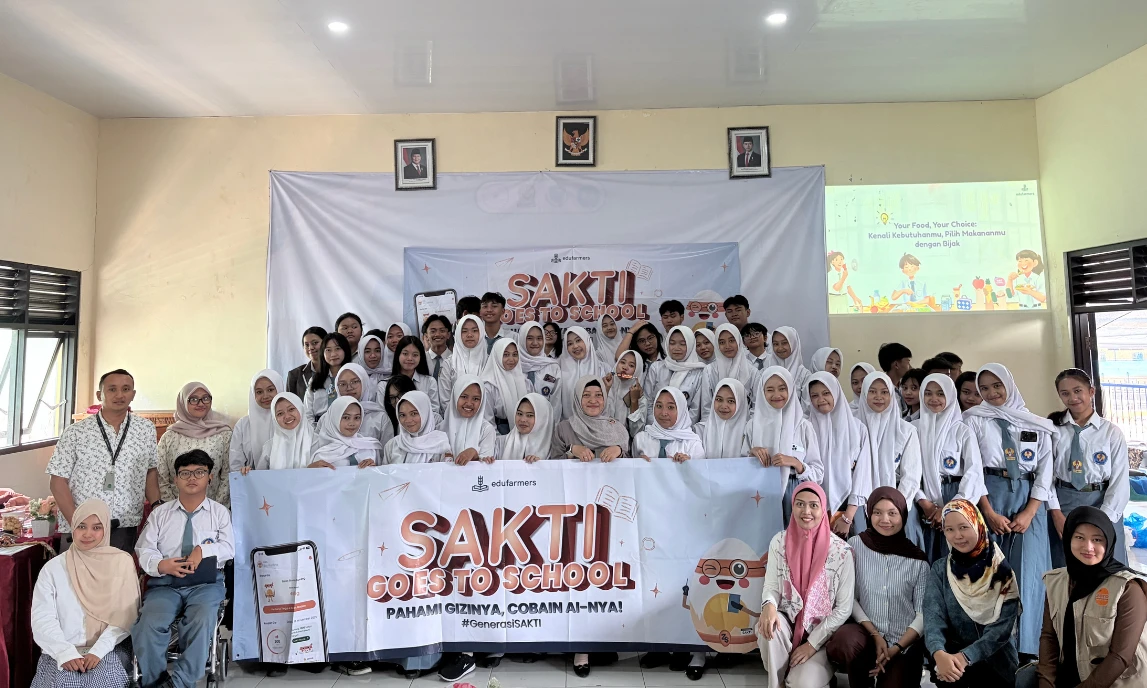
Edufarmers Nutrition Education 2026 program aims to reach 300 students and 71 teachers across three schools in Malang, East Java, by the end of 2026. Through interactive sessions and practical activities, the initiative helps adolescents make informed food choices while equipping teachers to support healthier eating habits at school.
Between 25 September and 2 October 2026, sessions were conducted at SMAN 6 Kota Malang, SMA Nasional Malang, and SMA Muhammadiyah 1 Malang. The next student session is scheduled for 20 October 2026 at SMAN 6 Kota Malang. The program is part of Edufarmers’ ZeroStunting initiative, which takes a preventive approach to nutrition education.
Helping Students Make Informed Food Choices
Under the theme “Your Food, Your Choice: Kenali Kebutuhanmu, Pilih Makananmu dengan Bijak” (Know Your Needs, Make Informed Food Choices), students explore how body image, social media trends, and conflicting nutrition information can influence their eating habits.
The sessions address behaviors such as skipping meals, excessively restricting food, avoiding certain foods out of fear of gaining weight, and following diet trends without appropriate guidance. Students are encouraged to understand their nutritional needs and make food choices based on those needs, rather than pursuing a particular body shape.
Practical activities help connect these lessons to everyday decisions. Students learn about Isi Piringku, Indonesia’s balanced-meal guide, explore protein-rich snack options, discuss the importance of drinking enough water, and learn ways to limit excessive sugar, salt, and fat. They also practice evaluating ultra-processed foods by considering nutritional content, portion sizes, consumption frequency, and available alternatives.
Putting Nutrition Knowledge into Practice with SAKTI
Students also take part in hands-on activities using SAKTI, a digital nutrition assistant available through WhatsApp and a mobile application.
In one activity, students use SAKTI’s chat feature to check nutrition-related statements and explore whether the information is accurate. In another, they upload a photo of a meal using the app’s Meal Scan feature to explore its nutritional information.
These exercises introduce students to practical ways of checking nutrition information and understanding the food they eat. Pre- and post-session quizzes also help assess changes in students’ understanding of the material.
Supporting Teachers as Partners in Nutrition Education
Alongside students, teachers participate in sessions titled “Bantu Siswa Makan Lebih Sehat” (Help Students Eat Healthier).
The sessions focus on helping teachers recognize potential body image concerns and respond to students with empathy rather than judgment. Teachers are encouraged to share reliable nutrition information, guide students in evaluating their food choices, and create opportunities for open discussions about eating habits and body image.
They are also introduced to SAKTI’s features, including nutrition-related chat, Meal Scan, and recipe recommendations, as tools that can support nutrition learning.
By involving teachers alongside students, the program aims to create a school environment where nutrition lessons can be reinforced beyond the training sessions.
Why Start Stunting Prevention with Adolescents?
Adolescent nutrition education is part of a broader, preventive approach to stunting. Eating habits and attitudes toward food developed during adolescence can influence nutritional health into adulthood and, eventually, parenthood.
Helping young people understand their nutritional needs before they reach these later stages can support healthier decisions over time. At the same time, equipping teachers to guide nutrition discussions creates opportunities to reinforce these lessons in students’ everyday school lives.
Through ZeroStunting, Edufarmers brings nutrition education beyond information-sharing. By combining practical learning, digital tools, and teacher engagement, the program helps young people better understand their nutritional needs, evaluate the information they encounter, and make more informed food choices as they grow.
As the program continues, Edufarmers aims to make nutrition education more practical and relevant to young people’s lives, while strengthening the role of schools in supporting healthier food choices.

