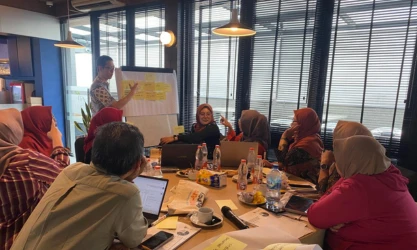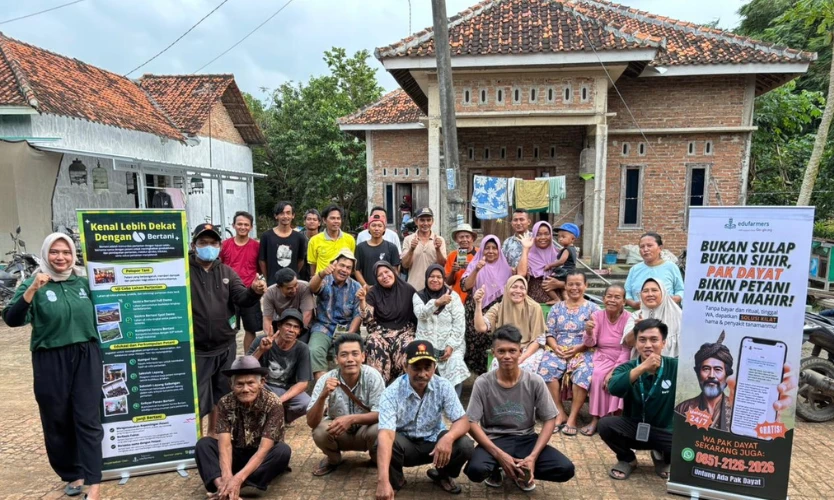
After continuously developing and piloting an Agronomic AI chatbot with support from Google.org for the past year, we now move forward from whether AI can help farmers. The harder question in the past months is how to actually get AI to farmers' hands at scale.
Since 2024, Edufarmers has been co-developing an agronomic AI with Dayatani. We named it Pak Dayat — deliberately. "Pak" signals someone trusted, familiar, and respected. We built it on WhatsApp for the same reason, because it's where farmers already are. No app to download. No registration. Just a number to send a message. Like texting a fellow farmer or extension worker to ask for help.
To understand how we can disseminate Pak Dayat at scale, we experimented three offline channels we believed would have a real influence on farmer adoption: (1) market the chatbot through referrals in agri-input kiosks similar to promoting any other agriculture products, (2) utilize Indonesia’s extension workers, (3) Farmer Field Schools, teaching key farmers on Pak Dayat and having lead farmers disseminate how to utilize the agronomic chatbot.
Here we want to share things we found that could be relevant to other organizations working to disseminate technology to farmers in the Indonesian context.
First: The Product Has to Earn Its Place and be Trusted by Farmers
Before dissemination can work, the answers Pak Dayat gives must be worth sharing.
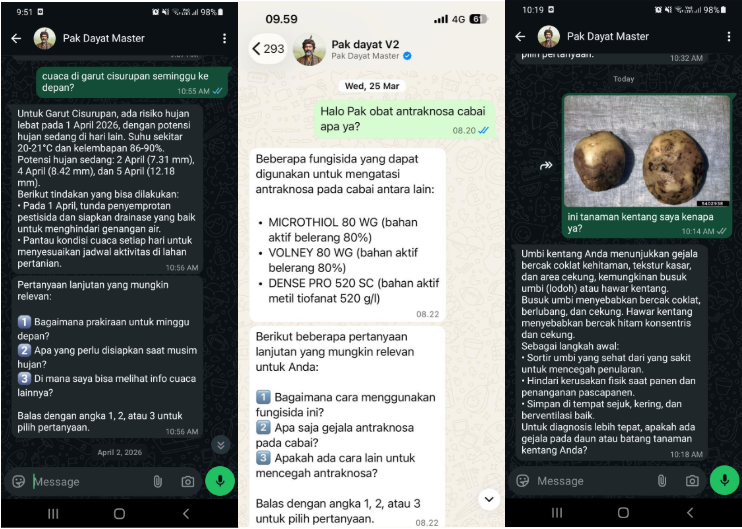
Pest and disease consultation was consistently Pak Dayat's strongest use case — farmers found it relevant and returned to it. But from our interview with farmers and field observation, we saw a gap between being complete and actionable. In the initial versions of Pak Dayat, we had detail and long answers that’s accurate based on local science papers and agriculture practices that is widely used in Indonesia. We let farmers know the pest or disease diagnosis, its symptoms, and what active ingredients are useful. Due to the long answers, farmers had a hard time reading through scientific terms. Knowing the active ingredients to treat a pest is useful. Understanding which product containing that ingredient is available at the nearest kiosk, that’s what truly informs farmers of decision making. Similarly, farmers consistently preferred short, direct answers over thorough ones. In a two-minute window at a busy kiosk or between field tasks, brevity isn't a preference.
In response, we've been working with Dayatani to improve answer quality by introducing a structured logic framework to guide how the chatbot answers farmers question to make the answers short and actionable:
Problem identification (diagnosis) + What actions farmers can take (active ingredients to tackle problem) + optional alternatives + Options to follow up.
Rather than having the first answer to the question long and trying to understand everything, we focused on key aspects that can inform decisions and provide options for farmers to follow up if they want to know more or if the question need more details context to answer accurately. Sometimes we don’t ask to follow up questions if we don’t know what we don’t know. Follow up questions also help farmers who may not be experts in prompting.
Pak Dayat won't ever be 100% perfect. We continue to improve the product based on farmers' suggestions and what we learn in the field. Now we want to share on what we learn from experimenting with offline dissemination channels:
Three Channels, Three Lessons
Kiosks: a busy ecosystem with no spare attention
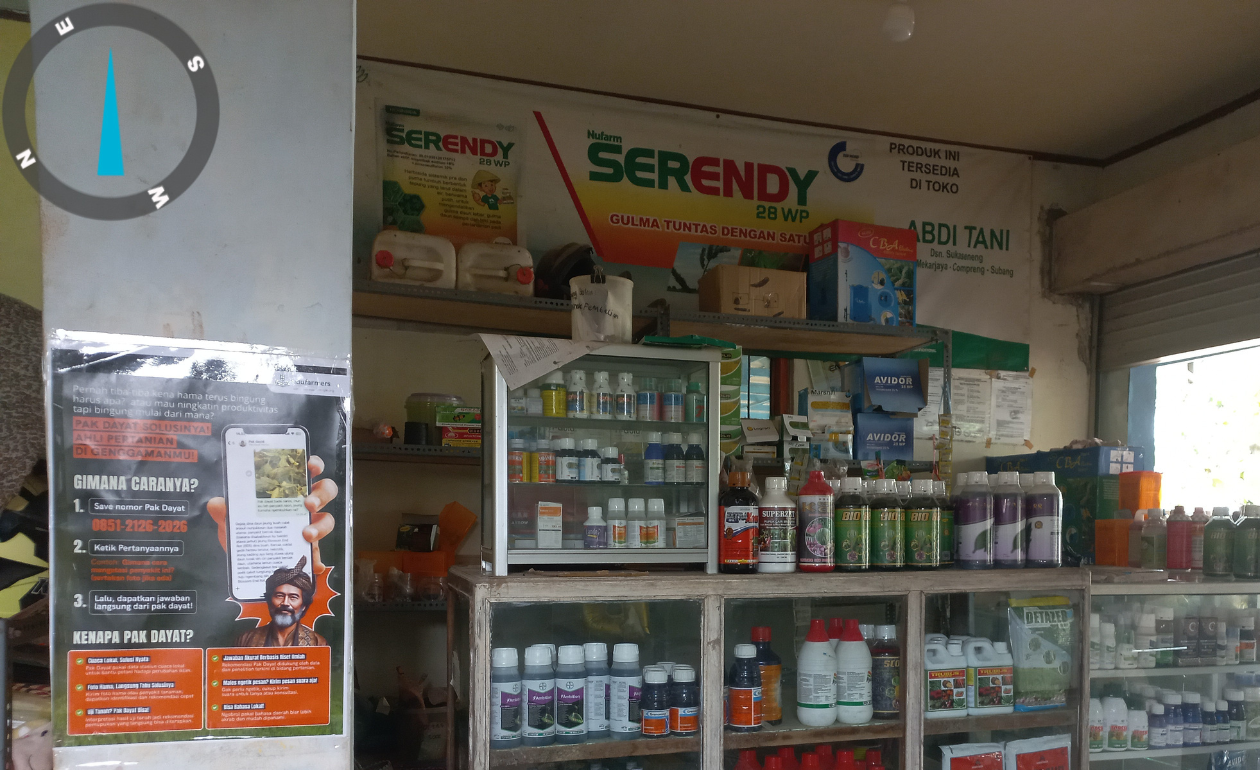
Promoting our technology through agri-input kiosks that exist in every village felt like a natural fit. Farmers already visit regularly, already thinking about their fields and inputs. Hence, we experimented by putting up flyers and posters of Pak Dayat, training kiosk owners to promote Pak Dayat, and testing out small incentives for every referral made to our Whatsapp number.
What we underestimated was how transactional a kiosk visit is. Farmers arrive with a specific purpose — buy inputs that they already have in mind, check prices, and move on. Only a small number use the visit for agronomic advice when unsure what products to use, and many don't bring their phones at all, making it hard to try out Pak Dayat directly. Those who did try Pak Dayat typically stayed for two to three minutes before the context pulled them away: other farmers waiting; the kiosk owner available right there, a decision already half-made.
At bigger kiosks, there isn’t room for exploration and for agents to explain in depth with regards to a certain product or technology. It's a high-frequency, time-compressed environment.
For anyone deploying digital tools through retail or input supply channels, our learning for you is that you must work with the limitations of the busy environment. The value of the products being promoted needs to be clear, easy to explain, and it can be costly as you must print materials for farmers to take home. If the technology is complicated and requires onboarding, disseminating through this channel might not be the best way.
Extension workers: relevant for scale but already fully loaded
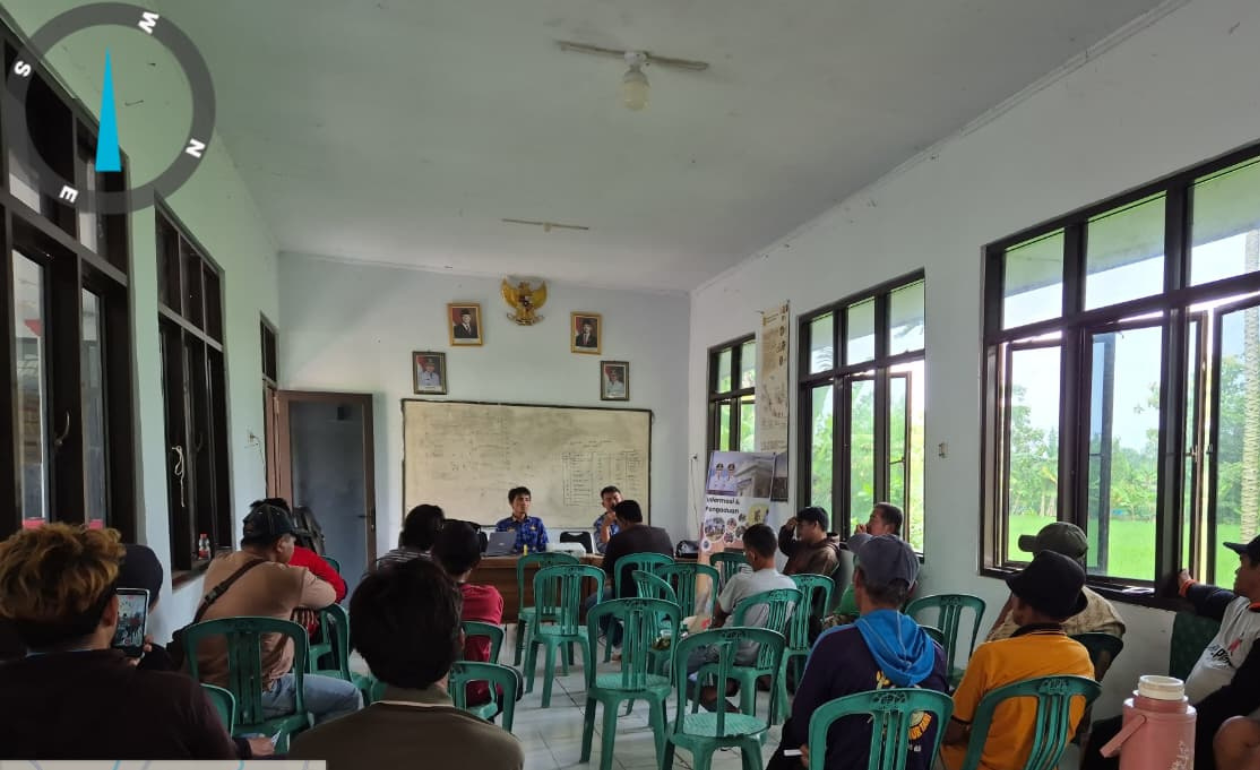
As many of you might think, Agriculture Extension workers (PPL) are actors' most relevant and potential methods to scale new practices and technology. They have farmer relationships, regular field presence, and educational roles. In one district we work in, five extension workers oversee nine villages and 20,000 farmers. Most of we met were genuinely interested in Pak Dayat. We developed ready to use power point and training guides that can easily fit into their day-to-day extension support, aligning Pak Dayat's content with existing program materials. We tested and tracked how many farmers can be converted by one extension workers.
Unfortunately, it still didn't show significant uptake. When we interviewed PPL workers in several districts, we came to understand that they are already carrying a heavy administrative load, particularly around fertilizer subsidy implementation. There have also been recent shifts in their governance structure. Previously, extension workers worked under the regional government. Now, extension workers work directly under the Ministry of Agriculture, staff are shifted around, teams become leaner than before. When the people doing the work are stretched across more responsibilities with fewer hands, adding a new digital tool dissemination task — however well-aligned — doesn't find room to land.
This points to a bandwidth issue rather than a motivation problem. For extension workers who like meeting farmers, they use Pak Dayat to help answer questions they are not familiar with and promote it willingly, but they have less time to do so.
For organizations who are looking into utilizing extension workers or any other government agencies at the local level in Indonesia, understanding their bandwidth will be a key part of planning. Currently many agencies in Indonesia are experiencing shifts in bureaucracy, priority programs, and budget that can implicate program scaling that utilize government channels.
Training Influential Farmers: Spreading through Word of Mouth
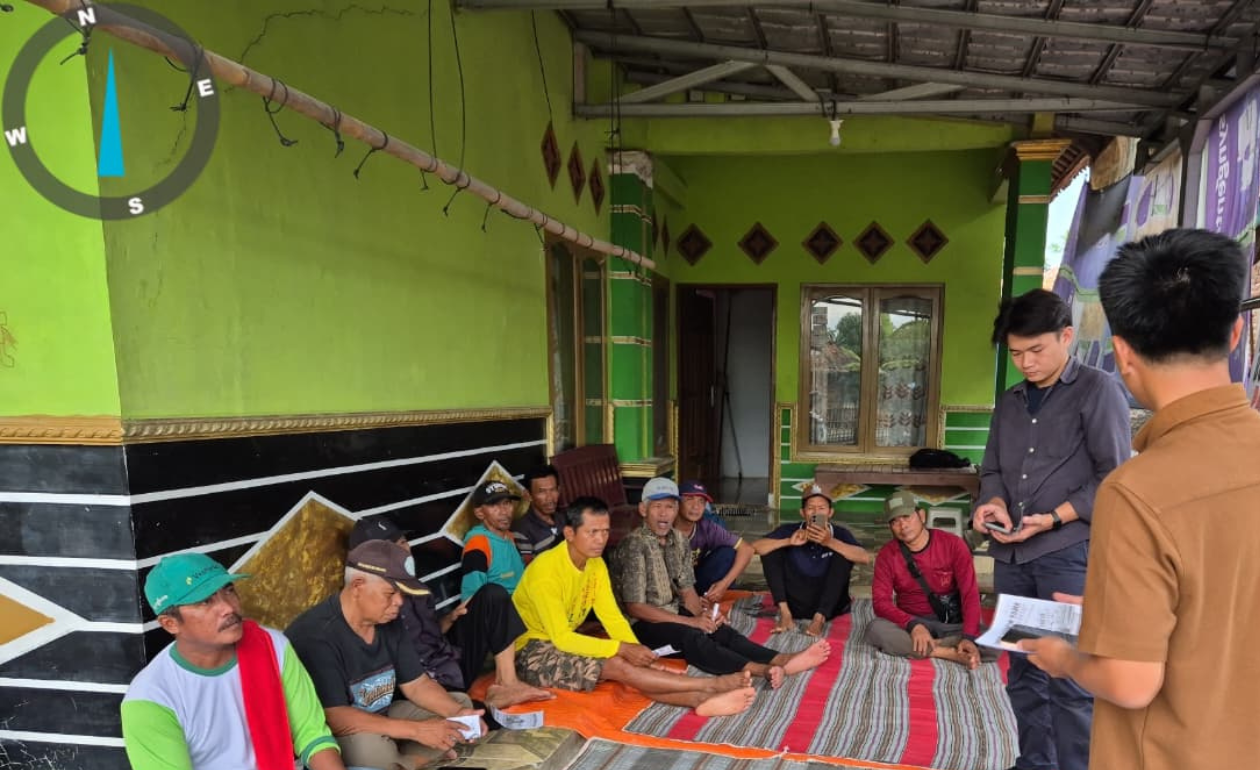
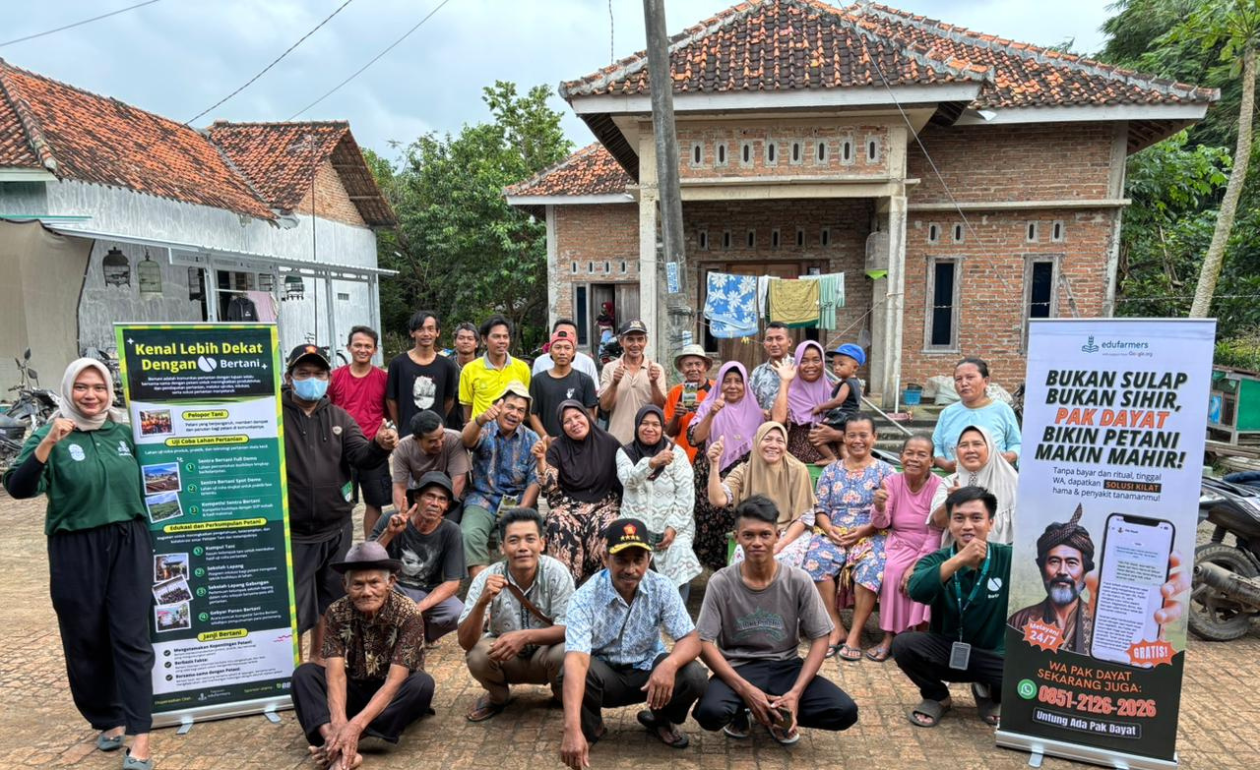
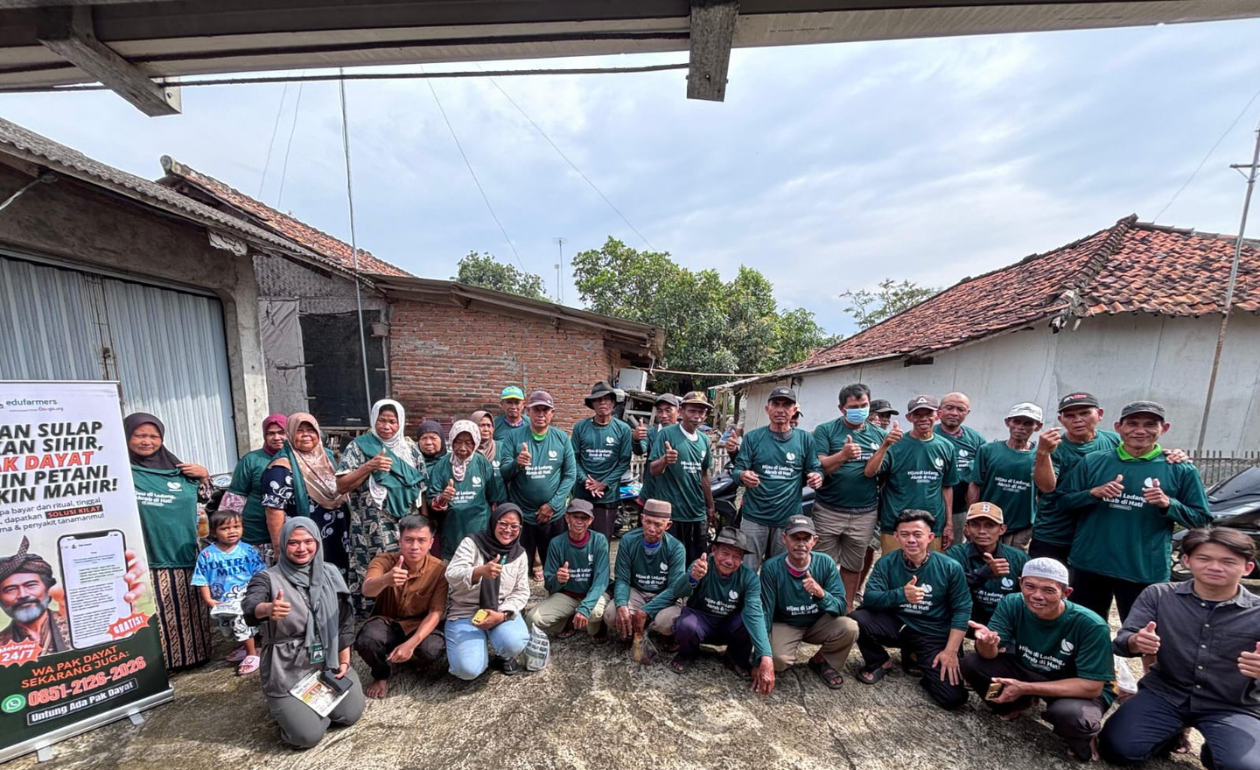
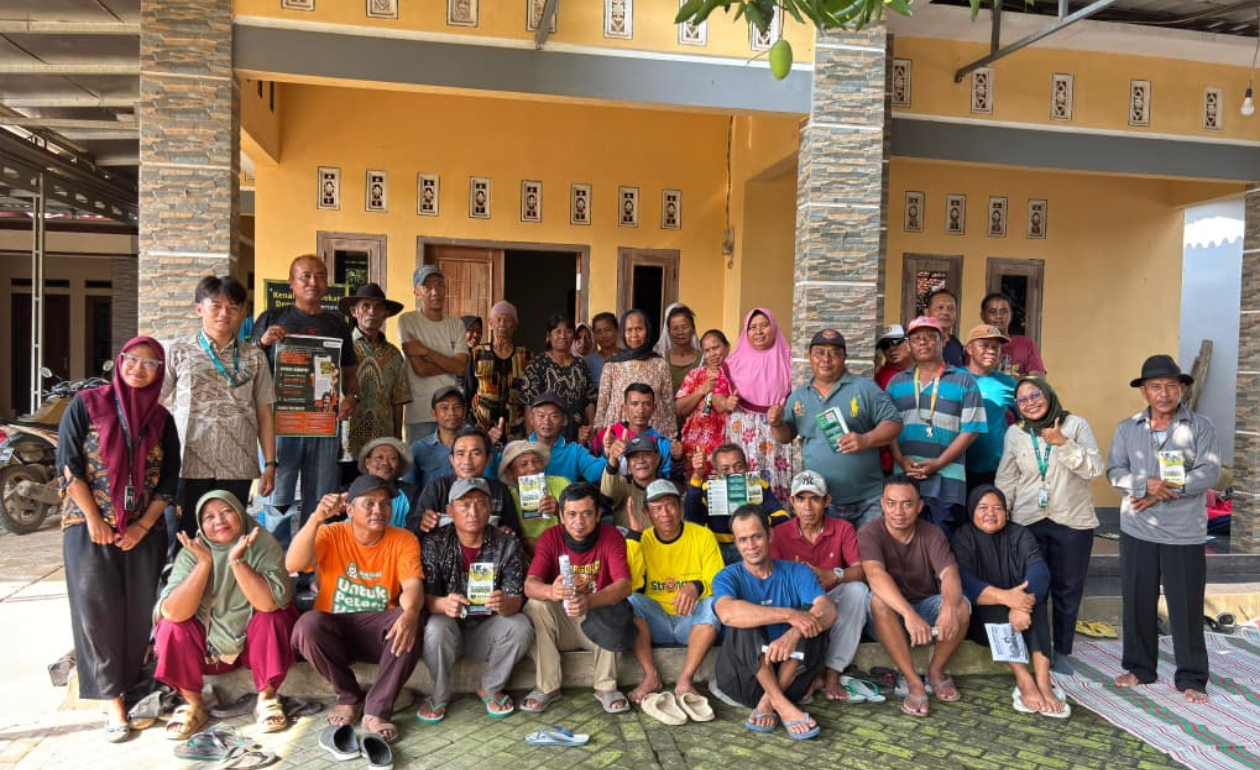
In comparison to promoting through agri-kiosks or extension workers, promoting Pak Dayat through Farmer Field School (FFS) and utilizing farmer’s network shows the highest conversion, despite the challenges.
We assumed that a well-run FFS session alone would spark ongoing use: introduce Pak Dayat, let farmers try it, and they'd come back on their own. After several sessions, we find many farmers arrive without phones or without mobile data (in several West Java villages, wifi is cheaper than monthly data packages, so they only access internet at home). Those who didn't try Pak Dayat during the session forget PakDayat number. When they come home, they forget what they did receive during training.
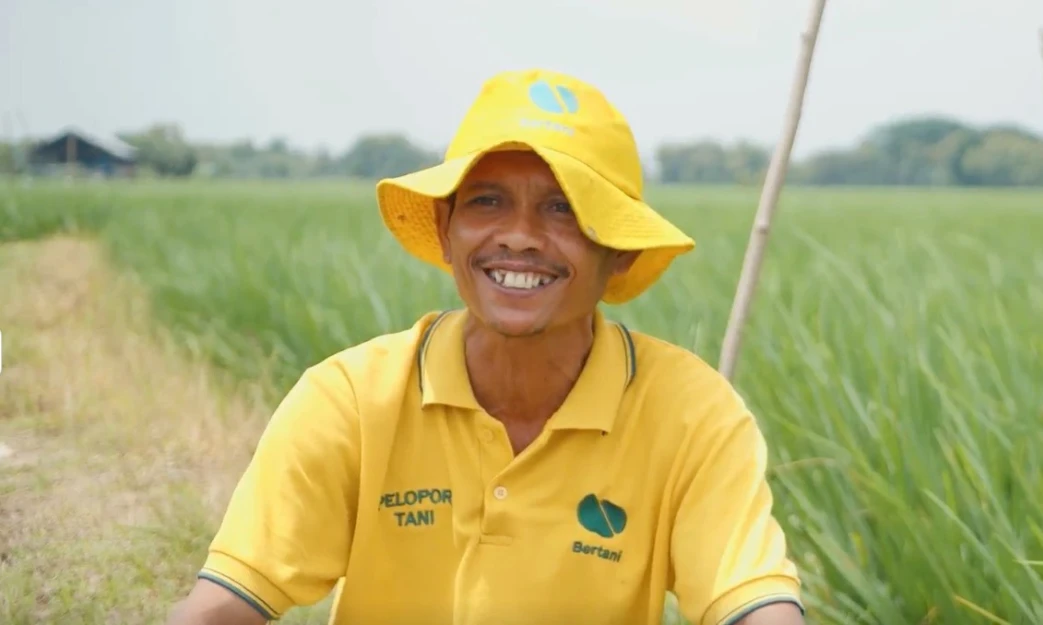
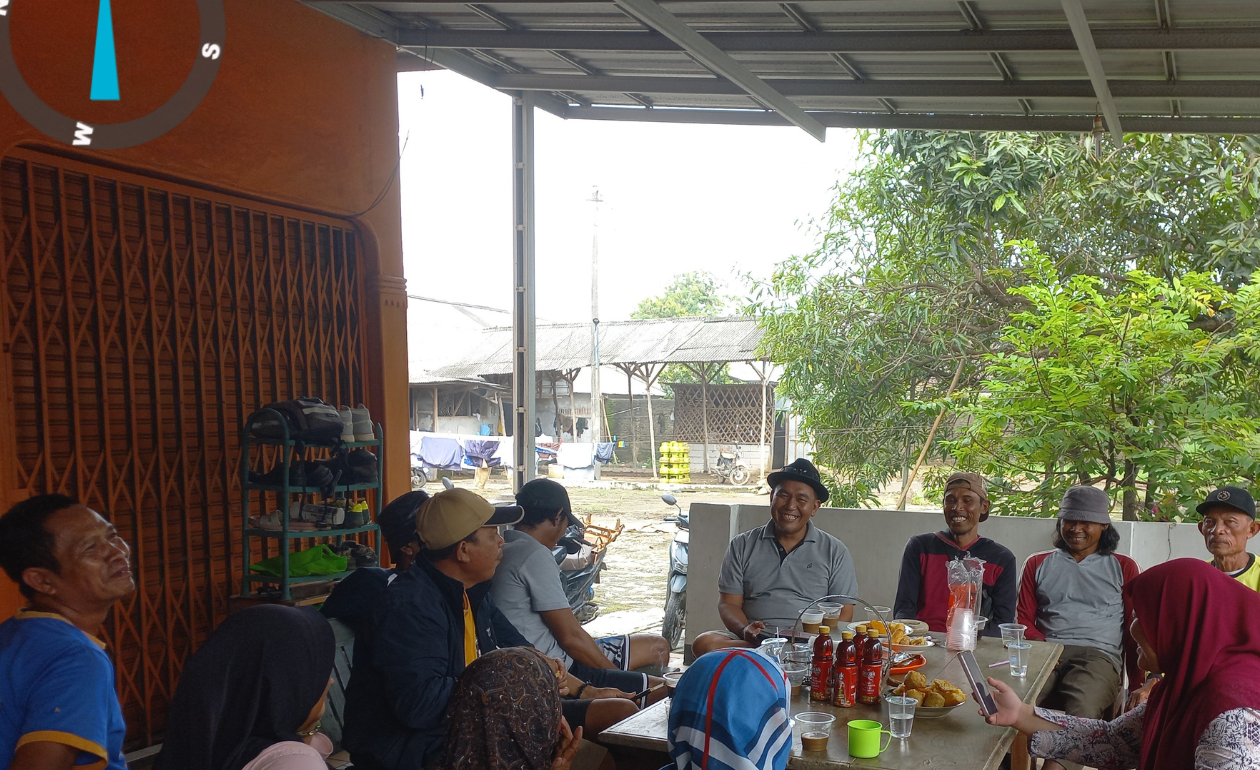
What changed the outcome was the presence of a pelopor — an influential farmer identified by Edufarmers who used Pak Dayat themselves and demonstrated it live. They help convert by showing their phones to their friends, neighbors, and farmer groups during late night talks over coffee at someone’s house. Unintentionally, they teach other farmers how to prompt better and get useful answers they can directly try in their field.
Like learnings found amongst tech adoption in low-digitalization communities, people follow trusted peers before they adopt new tools. For anyone introducing AI tools to first-time users in similar contexts: the technology is only part of the equation. Who demonstrates it, how they demonstrate it, and whether users are guided on how to interact with it — these shape adoption as much as the product itself.
What's Next for Edufarmers in disseminating AI
After experimenting with different offline channels, Edufarmers plans to utilize online advertisements for wide reach and focus on utilizing our Bertani ecosystem for in-depth dissemination. Of all the channels we tested, FFS through Bertani showed the highest retention rates for Pak Dayat engagement. This allows us to be efficient, as we integrate Pak Dayat to all the different training contents such as introduction on soil health and bioproducts. By introducing prompting guidance, we help farmers understand that a more specific question gets a more useful answer. How you ask matters as much as what you ask. One of our core focuses is getting pelopor genuinely comfortable with Pak Dayat before asking them to share it — making them real users and trying to apply recommendations given by the AI to gain their trusts.